Shoulder pain is a common problem that significantly reduces quality of life and limits many activities, from sleep patterns to dressing, combing hair, and driving. Frozen shoulder and rotator cuff tendinitis/tears, in particular, cause both severe pain and limited movement in patients. In such cases, the physical therapy process can be quite painful and challenging for patients.
Add us as a preferred source on GoogleSee our new articles higher in your searchesAddThis is where the suprascapular nerve block comes into play, offering an effective and reliable method for controlling pain around the shoulder. Suitable for those seeking a non-surgical solution, this procedure increases patient comfort and enables more effective participation in physical therapy.
What is a Suprascapular Nerve Block?
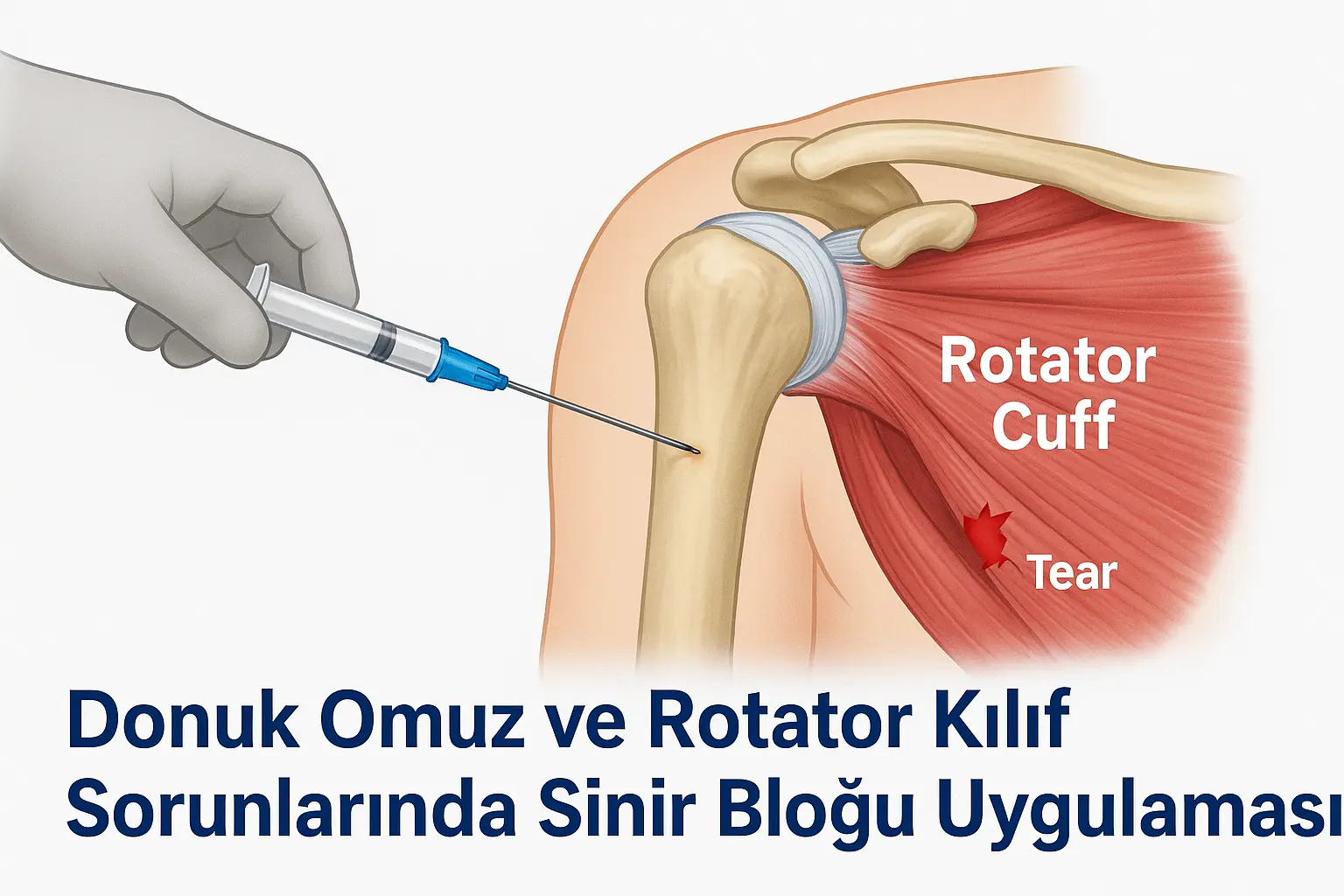
A suprascapular nerve block is a procedure that temporarily blocks the suprascapular nerve, which causes pain sensation in most of the shoulder joint and delivers a kind of electrical impulse to the muscles around the shoulder, in order to reduce shoulder pain. With this method, a local anesthetic and, when necessary, cortisone are injected around the nerve. The goal is to increase patient comfort and restore mobility by interrupting the transmission of pain to the shoulder area. It is an effective treatment option, especially for painful conditions such as frozen shoulder, rotator cuff tears, and shoulder impingement syndrome.
In modern practice, suprascapular nerve block is almost always performed with ultrasound guidance. This ensures that the needle is directed precisely to the anatomical point where the nerve passes, increasing both the safety of the procedure and the success rate.
Although the suprascapular nerve block is preferred as a non-surgical method, it can also be used for pain control after shoulder surgery in some patients. I routinely perform a suprascapular nerve block after my own shoulder surgeries, while the patient is still under anesthesia.
When is the Supraclavicular Nerve Block Performed?
The suprascapular nerve block is an effective tool in treating pain associated with various shoulder problems. It stands out among non-surgical treatment methods and is commonly used in the following situations:
- Frozen shoulder: In patients with shoulder capsule stiffness and pain-related movement restrictions, the block reduces pain and facilitates participation in physical therapy.
- Rotator cuff tears and tendinopathy: It is effective in reducing pain caused by tears or wear and tear in the rotator cuff muscles.
- Shoulder impingement syndrome: It provides pain control in cases of pain caused by impingement of the supraspinatus tendon and subacromial bursa.
- Shoulder arthrosis (calcification): It is used as a supportive treatment to relieve pain associated with degenerative changes in the shoulder joint that develop with advanced age.
- Postoperative shoulder pain: It is beneficial in controlling pain in the early period after arthroscopic or open surgery.
- Pain associated with shoulder tumors: Although rare, it is an effective method used for palliative purposes.
The suprascapular nerve block not only temporarily reduces pain but also accelerates the overall healing process by enabling the patient to participate more actively in physical therapy.
Supraskapular Sinir Bloğu Nasıl Yapılır?
The suprascapular nerve block is usually performed under ultrasound guidance and under sterile conditions. Before the procedure, the patient is placed in a sitting position. The suprascapular notch area behind the shoulder is visualized using an ultrasound device to determine the area where the nerve passes. Then, medication is administered around the nerve using a fine injection needle.
The steps of the procedure can be summarized as follows:
- Visualization of the target area using ultrasound guidance
- Reaching the area around the nerve with a fine needle
- Injection of the local anesthetic and cortisone if necessary
- Removal of the needle and bandaging of the area
The procedure usually takes 5–10 minutes, and the patient can return home after a short observation period following the procedure. Muscle weakness does not usually occur after the block application, and if it does, it is temporary.
Thanks to the use of ultrasound in modern methods, both the safety of the procedure increases and the risk of complications is minimized.
How long does the effect of a nerve block last?
The effect of a suprascapular nerve block generally lasts from 1 week to 3 months, depending on the medication used. When a local anesthetic is used alone, the effect may be limited to a few days, but when used in combination with cortisone, this period is extended. However, each patient is different; therefore, the duration of the effect may vary from person to person. It can be repeated at specific intervals if necessary.
What Are the Advantages of the Suprascapular Nerve Block?
The suprascapular nerve block is a safe treatment method that provides fast and effective results, especially in patients experiencing shoulder movement limitations due to pain. This application, preferred both during the non-surgical and post-surgical periods, has many advantages:
- Can Be Repeated if Necessary: The block can be repeated at specific intervals if needed after its effect wears off.
- Provides Effective Pain Control: It quickly reduces pain in the shoulder area. It significantly improves patient comfort, especially in cases of frozen shoulder, rotator cuff tear, or tendinitis.
- Facilitates Participation in Physical Therapy: Patients with reduced pain participate more comfortably in physical therapy sessions. This both increases range of motion and accelerates the treatment process.
- Preserves Muscle Strength: Since very few motor nerves are affected during the block procedure, there is no significant loss of strength in the shoulder muscles. This allows daily activities to be maintained.
- Can be an Alternative or Adjunct to Surgery: It can be a standalone treatment option for patients who are not candidates for surgery. It also contributes to the healing process by reducing pain in the postoperative period.
- It is a Quick and Safe Procedure: When performed under ultrasound guidance, the procedure time is short (approximately 5–10 minutes) and the risk of serious complications is extremely low.
When does physical therapy begin after a suprascapular nerve block?
Thanks to the rapid reduction in pain, physical therapy after a suprascapular nerve block can usually begin on the same day or the next day. This approach offers a significant advantage in regaining joint range of motion, especially in painful conditions such as frozen shoulder.
Possible Side Effects and Risks of Suprascapular Nerve Block
When performed with ultrasound guidance, the suprascapular nerve block is an extremely safe procedure. However, the following situations may rarely occur: slight bruising or pain at the injection site, temporary numbness in the shoulder, or, rarely, an allergic reaction. The risk of infection is extremely low and is virtually non-existent when performed under sterile conditions.
Frequently Asked Questions About the Suprascapular Nerve Block
Is the procedure painful?
No, the skin is numbed with local anesthesia before the procedure.
How long does it take?
About 5 minutes on average.
Do I need to stay in the hospital?
No, you can go home the same day.
How long does the effect last?
It can vary from 1 week to 3 months.
Will my muscle strength decrease?
No, motor nerves are usually preserved.
Result
Suprascapular nerve block is a safe and effective interventional treatment method that can be applied to patients experiencing limited mobility due to shoulder pain. It enables tolerance of the physical therapy process and accelerates the recovery process, particularly in chronic and painful conditions such as frozen shoulder, rotator cuff disorders, and shoulder impingement syndrome.
Ultrasound-guided block reduces the risk of complications and increases the success rate. In necessary cases, longer-lasting pain control can be achieved with cortisone-containing combinations. It is an effective alternative that should be evaluated as a priority for patients who are not suitable for surgery or who are seeking non-surgical solutions.
Our Recommendations and Suggestions
- Its effectiveness can be enhanced when applied before or during physical therapy.
- It may be preferred for pain management in the early postoperative period.
- When appropriate patient selection is made, it is a repeatable and safe treatment method.
- As part of a multidisciplinary approach, it is recommended that a physical therapist, an orthopedic specialist such as Dr. Utku Erdem Özer, and an algology specialist evaluate the patient together.