SLAP tears are one of the important causes of shoulder pain and restricted movement. They occur in the upper part of the labrum, a cartilage-like structure located inside the shoulder joint. These tears usually develop in athletes as a result of repetitive overhead throwing sports or sudden trauma. Typical complaints include shoulder pain, a catching sensation, weakness, and loss of strength.
Add us as a preferred source on GoogleSee our new articles higher in your searchesAddNot all SLAP tears are the same; there are different types and various treatment options. In this article, we will discuss what a SLAP tear is, how it is diagnosed, when surgery is necessary, and the latest non-surgical treatment approaches.
What Is a SLAP Tear?
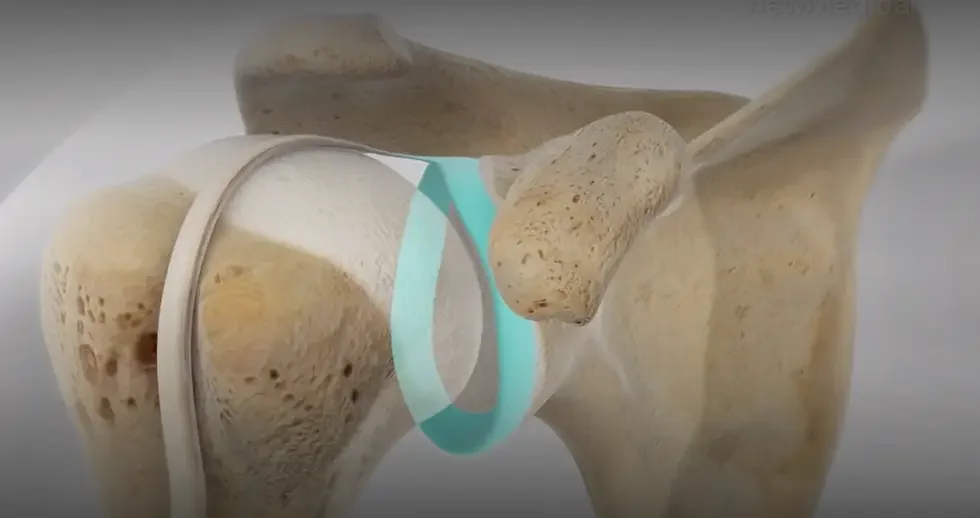
A SLAP tear is a type of labral tear in the shoulder joint that extends from the superior (upper) part of the labrum from anterior to posterior. The term “SLAP” is an abbreviation of Superior Labrum Anterior to Posterior.
The labrum is a ring-shaped structure that helps stabilize the ball-and-socket shoulder joint. Its upper portion is the attachment site of the biceps tendon. A tear in this region can cause shoulder pain, instability, and restricted movement.
Causes of SLAP Tears
SLAP tears typically occur when the shoulder is exposed to excessive stress or sudden trauma. The most common causes include:
- Overhead throwing sports (baseball, tennis, handball, swimming)
- Weightlifting
- Sudden pulling of the arm
- Falling onto the shoulder
- Age-related degeneration and wear of the labrum
Symptoms of a SLAP Tear
SLAP tears can be confused with other shoulder problems, but typical symptoms are:
- Deep shoulder pain that is difficult to localize
- Pain that worsens during throwing or overhead reaching
- Clicking, popping, or a catching sensation in the shoulder
- Weakness or easy fatigability
- Night pain or difficulty lying on the affected shoulder
How Is a SLAP Tear Diagnosed?
The diagnostic process includes a thorough clinical examination and appropriate imaging methods:
- Physical examination: Specific clinical tests (such as O’Brien, Crank, and Speed tests) help raise suspicion of a SLAP tear.
- MR Arthrography: An MRI performed after injecting contrast material into the joint, which shows labral tears with high accuracy.
- Arthroscopy: A minimally invasive surgical method used for both diagnosis and treatment. In some cases, the definitive diagnosis is made during arthroscopy.
Types of SLAP Tears
SLAP tears were first classified by Snyder in the 1990s. Over time, additional variants have been described, bringing the total number of types to around 10. This classification defines the shape of the tear, its extent, and its relationship with the biceps tendon. The most common are Types 1–4:
- Type 1: Fraying and degeneration at the superior labrum. The biceps tendon remains intact. Typically age-related and often managed without surgery.
Treatment: Conservative management or arthroscopic debridement. - Type 2: Detachment of the biceps anchor from the labrum. This is the most common type in young athletes and trauma cases.
Treatment: Usually requires arthroscopic SLAP repair. Biceps tenodesis may be performed if necessary. - Type 3: A “bucket-handle” tear of the labrum, while the biceps anchor remains intact.
Treatment: Resection of the torn fragment while preserving stable tissue. - Type 4: A bucket-handle tear extending into the biceps tendon.
Treatment: Depending on severity, options include debridement, biceps tenodesis, or SLAP repair.
Less common and more complex variants include Types 5–10, such as Bankart lesion, flap tears, circumferential tears, and combined capsulolabral injuries. Each requires a tailored surgical approach.
How Is a SLAP Tear Treated?
Non-Surgical Treatment
Not every SLAP tear requires surgery. In older patients, non-athletes, or those with mild symptoms, conservative approaches can be highly effective.
Main methods include:
- Rest and activity modification
- Pain-relieving and anti-inflammatory medications
- Physiotherapy: Joint mobilization, strengthening of the rotator cuff and periscapular muscles, scapular stabilization, and posture correction
- Functional shoulder training
- Ultrasound-Guided Injections:
Note: These regenerative treatments must be performed by an orthopedic specialist, under ultrasound guidance, and for appropriate indications. They are not suitable for every patient.
SLAP Tear Surgery (Arthroscopic SLAP Repair)
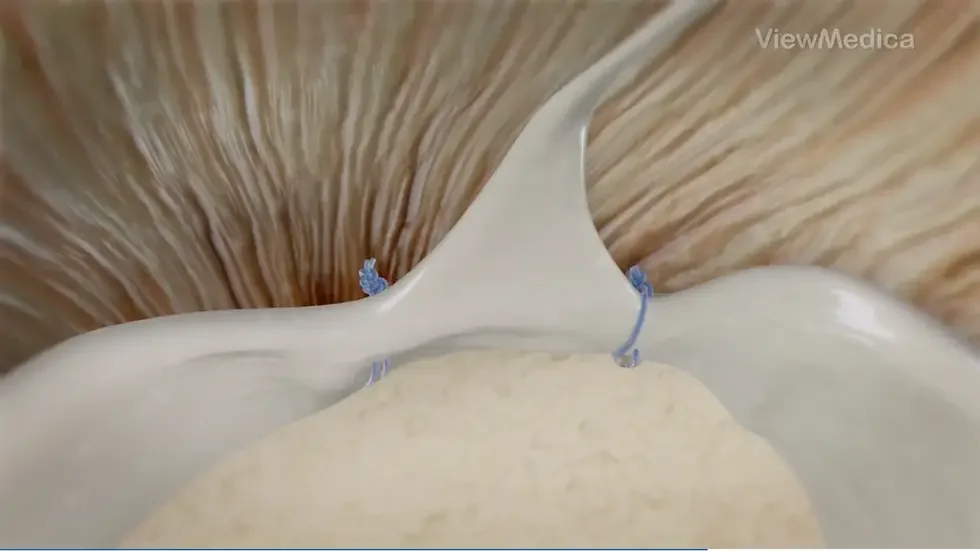
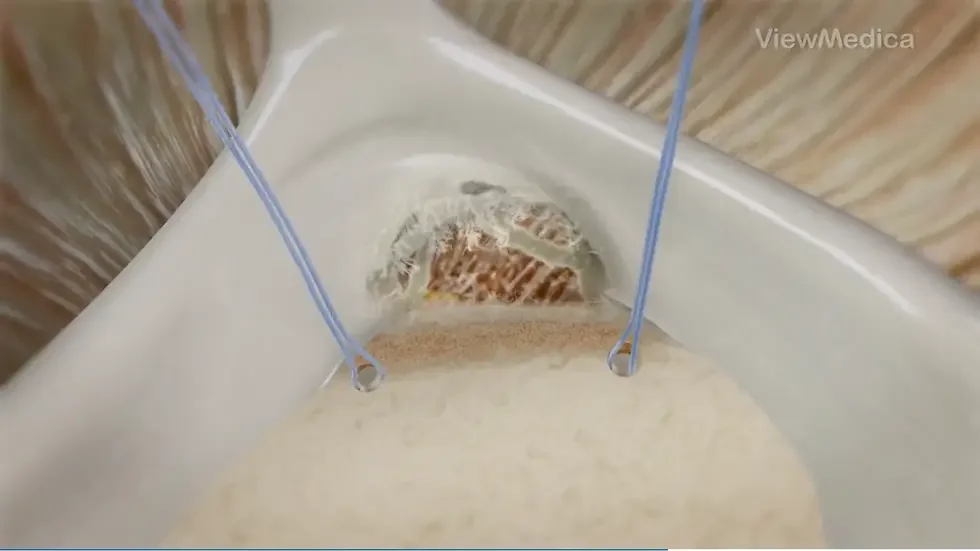
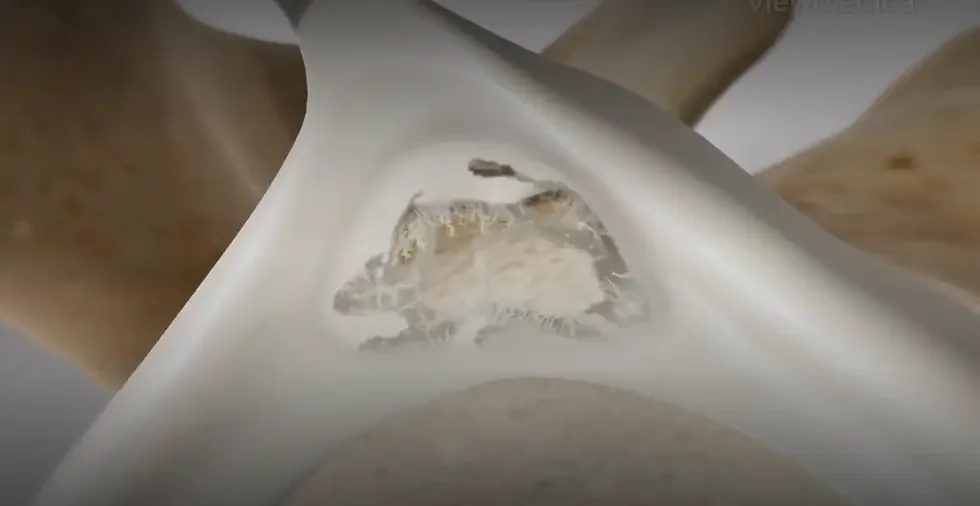
Surgery is typically considered in young, active individuals or when non-surgical treatments fail.
- Performed arthroscopically (minimally invasive).
- 2–3 small portals are made around the shoulder.
- The torn labrum is reattached to the bone using suture anchors.
- If necessary, the biceps tendon is also addressed.
- Average operative time: 1–1.5 hours.
- Anchors are usually bioabsorbable, eliminating long-term foreign body sensation.
Recovery After SLAP Surgery
- Weeks 0–4: Arm sling is used; the shoulder is rested.
- Weeks 4–8: Gradual range of motion exercises are initiated.
- Weeks 8–12: Strengthening and functional rehabilitation exercises begin.
- Months 3–6: Return to sports and full activities is planned.
Physiotherapy plays a critical role in this process to restore mobility and prevent recurrent tears.
What Happens If a SLAP Tear Is Left Untreated?
- Chronic shoulder pain
- Restricted shoulder mobility
- Decreased muscle strength
- Difficulty with daily activities
- Progressive cartilage damage and shoulder osteoarthritis
Frequently Asked Questions About SLAP Tears
What Is a SLAP Tear?
A SLAP tear is a type of labral tear in the shoulder joint, affecting the upper part of the labrum from front to back (superior–anterior to posterior). It can cause pain, catching sensations, and weakness in the shoulder.
What Causes a SLAP Tear?
SLAP tears usually occur due to repetitive overhead throwing, heavy lifting, falling onto the shoulder, or sudden pulling injuries. They are more common in athletes involved in sports such as swimming, tennis, and volleyball.
Can a SLAP Tear Heal Without Surgery?
Some SLAP tears—especially those related to age-related degeneration—can improve with physiotherapy and injection treatments. However, in athletes or patients with persistent pain, surgery may be necessary.
What Are the Symptoms of a SLAP Tear?
Common symptoms include deep shoulder pain, worsening pain when lifting the arm overhead, clicking or catching sensations, weakness, and restricted movement.
Can a SLAP Tear Be Seen on MRI?
Yes. SLAP tears can be detected more clearly with MR arthrography, where contrast material is injected into the joint. This is one of the most sensitive methods for confirming the diagnosis.
How Many Types of SLAP Tears Are There?
SLAP tears have been classified into up to 10 types in the literature. The most common is Type 2, in which the labrum detaches from its bony attachment. Treatment depends on the specific type of tear.
How Is SLAP Tear Surgery Performed?
SLAP tear surgery is performed arthroscopically (minimally invasive). The torn labrum is reattached to the bone using suture anchors, restoring shoulder stability and function.
How Long Does SLAP Tear Surgery Take?
An arthroscopic SLAP repair typically lasts 1 to 1.5 hours, depending on the size of the tear and whether other shoulder conditions are present.
Is Physiotherapy Necessary After a SLAP Tear?
Yes. Physiotherapy is essential in both non-surgical and post-surgical treatment. It helps restore range of motion, rebuild shoulder strength, and prevent recurrent injuries.
When Can Someone Return to Sports After a SLAP Tear?
Return to sports is usually planned around the third month after surgery. However, depending on the type of tear, patient’s age, and compliance with physiotherapy, full return to sports may take up to six months.
Conclusion
SLAP tears can cause significant shoulder problems, especially in athletes and physically active individuals. With accurate diagnosis, a personalized treatment plan, and timely intervention, excellent outcomes can be achieved both with non-surgical and surgical approaches.
If you experience shoulder pain, difficulty with overhead movements, or night pain that disturbs sleep, it is advisable to consult Op. Dr. Utku Erdem Özer. For more details, you can contact us or directly make an appointment.