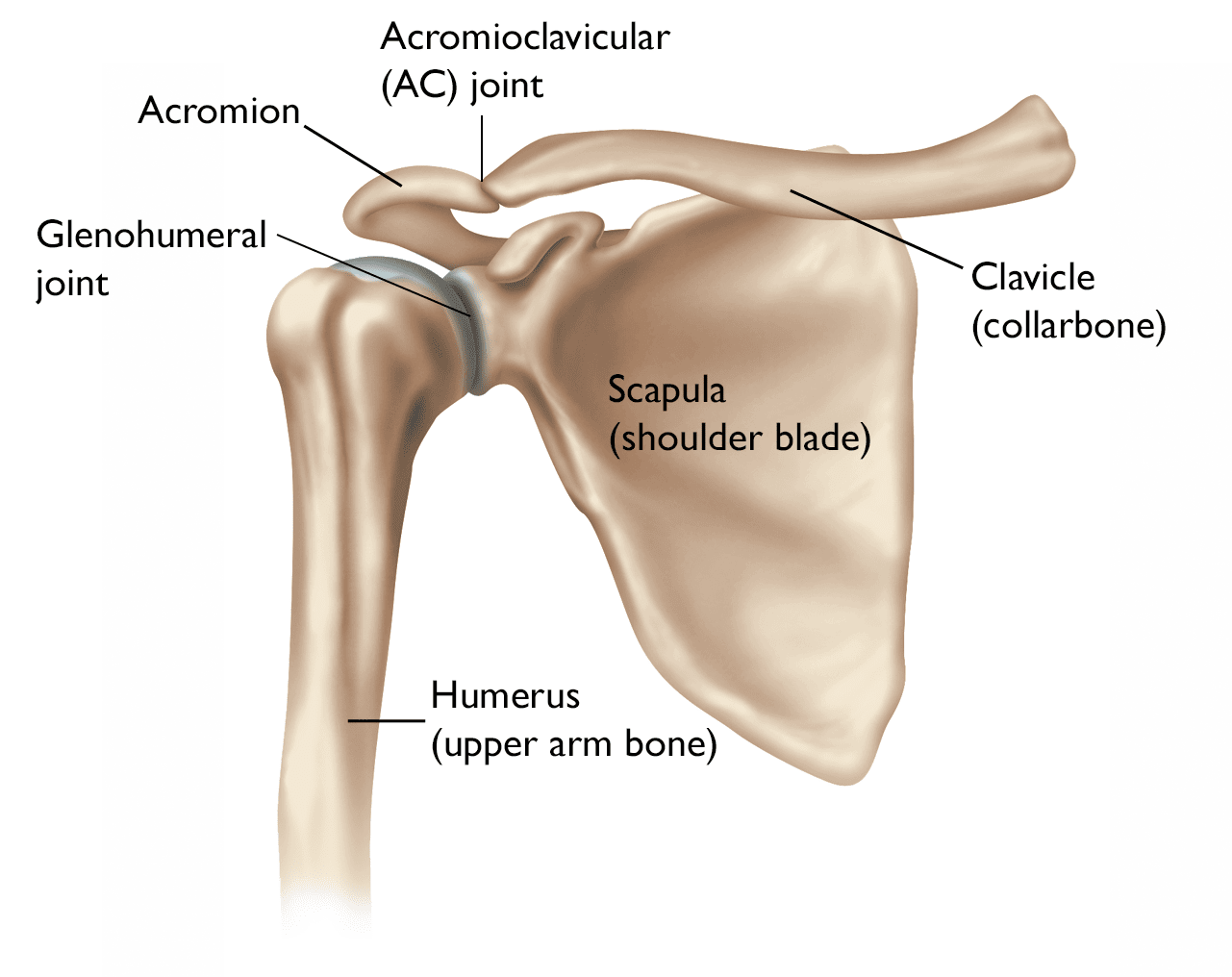
Shoulder arthritis is a joint problem that occurs when the cartilage surfaces forming the shoulder joint gradually wear down and thin. Just like knee arthritis, as the cartilage in the shoulder erodes, the bones start rubbing against each other. This leads to shoulder pain, difficulty in movement, and persistent pain that often worsens at night.
Add us as a preferred source on GoogleSee our new articles higher in your searchesAddIt is usually seen after the age of 50, and when it progresses, it prevents the patient from using the arm comfortably. It causes pain and restriction of movement during daily activities.
In the early stages, shoulder arthritis can be managed with ultrasound-guided intra-articular injections, while in advanced cases, shoulder replacement surgery provides a permanent solution.
What Is Shoulder Arthritis?
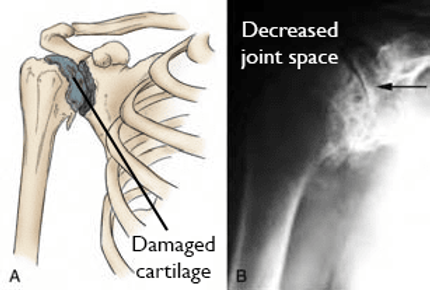
Shoulder arthritis is a joint disease that develops as a result of the gradual wearing down and thinning of the cartilage tissue covering the ends of the bones that form the shoulder joint. This cartilage layer allows the joint surfaces to move smoothly and painlessly. When the cartilage is damaged, the bone surfaces begin to rub directly against each other, causing shoulder pain, stiffness, limitation of motion, and, over time, deformities.
Shoulder arthritis is a slowly progressive condition but one that increasingly makes daily life difficult. Initially, pain occurs only with activity, but over time it can also be felt at rest. Even simple daily tasks such as lifting the arm overhead, reaching behind to a back pocket, or performing overhead movements become painful.
In medical literature, this condition is often referred to as “glenohumeral arthritis,” but among the general population it is more commonly described as “shoulder arthritis” or “wear and tear of the shoulder joint.” The severity of arthritis varies from person to person, and treatment options differ according to the stage of disease progression.
What Causes Shoulder Arthritis?
Shoulder arthritis is usually the result of repetitive loads on the joint over the years and the natural aging process of cartilage tissue. However, it is not only age-related—certain factors can accelerate the process or cause it to appear earlier in life. Below are the most common causes of shoulder arthritis:
The most frequent cause is joint degeneration associated with aging. After the age of 50, especially in people engaged in heavy physical labor or those who use the shoulder joint intensively, the cartilage surfaces gradually thin, leading to arthritis in the shoulder.
2. Previous Shoulder Injuries
Individuals with a history of shoulder dislocation, fracture, or surgery may have damaged joint surfaces. After such trauma, the load distribution in the shoulder is disrupted, and arthritis may gradually develop. This is referred to as “secondary shoulder arthritis.”
3. Rotator Cuff Tears
If tears in the muscle-tendon structures that stabilize the shoulder are left untreated for a long time, the humeral head shifts upward. This imbalance causes abnormal wear on the joint surfaces and triggers arthritis.
4. Rheumatic and Inflammatory Diseases
Certain autoimmune diseases such as rheumatoid arthritis can lead to inflammation in the shoulder joint and early cartilage damage. These conditions often cause arthritis in both shoulders simultaneously.
5. Congenital Anatomical Abnormalities
Congenital instability or abnormal development of the shoulder joint (such as dysplasia) predisposes the joint to cartilage wear over time. Such structural problems often cause arthritis at an earlier age.
What Are the Symptoms of Shoulder Arthritis?
Shoulder arthritis is a slowly progressive disease that gradually restricts daily life. The symptoms usually begin insidiously and become more pronounced as the disease advances. The most common symptoms of shoulder arthritis include:
1. Deep and Persistent Shoulder Pain
Most patients describe a deep, hard-to-define pain in the shoulder. At first, this pain occurs only with exertion but later becomes noticeable at rest and even at night during sleep.
2. Limited Range of Motion
Difficulty is experienced in lifting the arm, performing overhead movements, or reaching behind the back (e.g., fastening a bra or reaching a back pocket). Especially when trying to rotate the arm, stiffness and a locking sensation are evident.
3. Shoulder Crepitus (Grinding or Clicking Sounds)
As the cartilage wears down, the bones rub against each other, producing a “grinding” or “crackling” sound during movement. Patients often describe this as a disturbing catching sensation.
4. Night Pain and Sleep Disturbances
One of the characteristic signs of shoulder arthritis is night pain. Pain intensifies especially when lying on the arthritic shoulder, disrupting sleep and severely affecting quality of life.
5. Decline in Daily Quality of Life
Shoulder pain and limited mobility gradually make it difficult for patients to dress independently, comb their hair, carry shopping bags, or drive. This results in a significant decline in the ability to live independently.
How Is Shoulder Arthritis Diagnosed?
The diagnosis of shoulder arthritis is often made with a careful clinical examination and simple imaging such as shoulder X-rays. With an accurate diagnosis, both the stage of the disease can be determined and the most appropriate treatment plan can be created.
1. Detailed Patient History
The diagnostic process begins with listening to the patient’s complaints. Information such as how long the pain has persisted, what movements aggravate it, and whether it disrupts sleep at night is critical. Previous traumas, surgeries, or rheumatic diseases are also taken into account.
2. Physical Examination
The range of motion of the shoulder is assessed. Special attention is paid to whether there is limitation or pain during overhead movements, external and internal rotation of the arm. A grinding sound (crepitus) in the joint is also a typical finding. Additional maneuvers are performed to evaluate associated conditions such as muscle tears.
3. X-Ray (Plain Radiography)
X-rays are the most basic imaging method for diagnosing shoulder arthritis. Findings such as narrowing of the joint space, erosion of bone surfaces, osteophyte (bone spur) formation, and joint deformities can be clearly observed. The severity of arthritis can largely be assessed using this imaging.
4. Magnetic Resonance Imaging (MRI)
MRI is not necessary for every patient. However, in cases where rotator cuff tears, soft tissue damage, or suspicious findings accompany arthritis, MRI may be required. MRI also helps evaluate cartilage quality and intra-articular fluid.
How Is Shoulder Arthritis Treated Without Surgery?
Shoulder arthritis does not always require surgery. Especially in early and moderate stages, non-surgical treatments that reduce pain and preserve shoulder mobility can provide long-term successful results. The treatment plan should be personalized according to the stage of the disease, the patient’s lifestyle, and expectations.
1. Medication
Non-steroidal anti-inflammatory drugs (NSAIDs) may be used to reduce inflammation and control pain. While these medications provide temporary relief, long-term and uncontrolled use can cause serious side effects on organs such as the stomach, liver, and kidneys.
Therefore, these drugs should always be used under medical supervision and follow-up.
2. Physical Therapy and Exercise
Physical Therapy and Exercise methods are important in shoulder arthritis to strengthen the surrounding muscles, preserve range of motion, and reduce the load on the joint. Controlled stretching and strengthening exercises help support shoulder function.
Exercises should always be performed under professional guidance.
3. Platelet-Rich Plasma (PRP) Injections
Platelet-Rich Plasma (PRP) Injections is derived from the patient’s own blood and contains a high concentration of growth factors that may help protect joint cartilage and support repair processes.
Recent clinical studies have shown that PRP injections provide longer-lasting and more effective pain control compared to hyaluronic acid injections.
PRP should be administered under sterile conditions, by an experienced physician, and with appropriate patient selection.
4. Hyaluronic Acid Injections (“Viscosupplementation”)
Hyaluronic Acid Injections is a substance naturally present in joint fluid that provides lubrication of joint surfaces. In shoulder arthritis, intra-articular hyaluronic acid injections reduce friction within the joint and relieve pain.
The effect usually lasts for several months. Careful patient selection is essential, and injections should be performed under medical supervision.
5. Stem Cell Therapy
Stem Cell Therapy is a relatively new approach in shoulder arthritis and offers hope in selected patients. Stem cells are usually obtained from bone marrow or adipose tissue, processed, and then injected into the joint.
The goal is to support the repair of damaged tissues and slow down the progression of cartilage loss. Although more long-term studies are needed, this method can be considered in patients who did not respond to PRP treatment and wish to avoid surgery.
The procedure should always be performed under specialist supervision, with proper technique, and based on scientifically validated protocols.
When Is Shoulder Replacement Surgery Necessary?
In advanced stages of shoulder arthritis, non-surgical methods can no longer provide lasting relief. At this point, shoulder replacement surgery becomes necessary to restore quality of life. However, not every shoulder pain or arthritis case requires surgery. The following are the main criteria for when shoulder replacement becomes essential:
1. Complete Cartilage Loss in the Joint
If X-rays show that the joint space is completely lost and bones are rubbing directly against each other, cartilage function has been lost. At this stage, non-surgical treatments cannot provide permanent relief.
2. Severe Pain, Especially at Night
Pain that wakes the patient from sleep, does not improve with rest, and makes it impossible to lie on the shoulder indicates advanced arthritis. Shoulder replacement can eliminate this level of pain.
3. Inability to Perform Daily Activities
If basic activities such as dressing, washing hair, raising the arm, or reaching a back pocket cannot be performed, functional loss is severe. Shoulder replacement is an effective solution to restore these movements.
4. Lack of Response to Injections or Other Treatments
If cortisone, PRP, or hyaluronic acid injections fail to provide relief, or symptoms quickly return after short-term improvement, surgical intervention is indicated.
5. Advanced Arthritis with Rotator Cuff Tear
When severe rotator cuff tears accompany shoulder arthritis, joint balance is completely disrupted. In such cases, a special type of implant called a reverse shoulder replacement is often preferred.
Shoulder Replacement Surgery Process
Shoulder replacement involves replacing the worn-out surfaces of the shoulder joint with artificial implants. It is performed in patients with advanced shoulder arthritis who do not respond to other treatments. After a successful surgery, pain decreases, shoulder mobility improves significantly, and daily life becomes much more comfortable.
1. Preoperative Preparation
A detailed evaluation is performed before surgery. X-rays and, if necessary, MRI scans determine the extent of joint damage. The patient’s overall health status, blood tests, and coexisting conditions are also considered. Anesthesia evaluation is performed when needed.
2. How Is the Surgery Performed?
Shoulder replacement is usually performed under general anesthesia and takes about 1.5–2 hours. The damaged joint surfaces are cleaned, and appropriately sized metal and polyethylene implants are placed. The type of prosthesis depends on the joint structure, bone quality, and the presence of tendon tears.
3. Hospital Stay
Most patients stay in the hospital for 1–2 days after surgery. Early shoulder movements are encouraged, and the patient is discharged with the support of a sling. Pain is usually controlled within the first few days.
4. Recovery Process
For the first 2–3 weeks, the shoulder is protected. Controlled passive and active exercises are then introduced. Typically, shoulder range of motion improves within 6–8 weeks, and patients return to daily life in about 3 months. Return to heavy activities or sports may take 4–6 months.
5. Physical Therapy and Rehabilitation
To achieve the best outcomes after shoulder replacement, a structured rehabilitation program is essential. Initial stages focus on restoring motion, followed by strengthening the shoulder muscles. The program must be individualized and supervised by professionals.
6. Lifespan of the Prosthesis and Long-Term Follow-Up
Modern shoulder prostheses last on average 15–25 years. With proper patient selection, good surgical technique, and regular follow-up, this period can be extended. While certain movement restrictions may be advised, most patients can return to a largely normal daily life.
Which Type of Prosthesis Is Preferred in Shoulder Arthritis?
In shoulder replacement surgery, the choice of prosthesis depends on the degree of arthritis, bone structure, and the condition of the surrounding muscles. A single type of implant is not suitable for every patient. For a successful outcome, the correct prosthesis type must be matched with the right patient.
1. Anatomic Total Shoulder Replacement
In this type, a system that mimics the natural structure of the shoulder is implanted. Both the humeral head and the glenoid socket are replaced with artificial materials.
Who is it suitable for?
Patients with intact rotator cuff muscles and advanced cartilage wear limited to joint surfaces.
Anatomic Total Shoulder Replacement
2. Reverse Shoulder Replacement
In this prosthesis, the joint mechanics are reversed: the round ball component is fixed to the scapula, while the socket component is placed on the humerus. This system allows the deltoid muscle to lift the arm instead of the damaged rotator cuff.
Who is it suitable for?
Patients with rotator cuff tears, loss of muscle function, and disrupted joint balance. It is also advantageous for elderly patients with poor bone quality.
3. Partial Shoulder Replacement (Hemiarthroplasty)
Only the humeral head is replaced, while the glenoid socket is left intact. Today, it is used less frequently.
When is it applied?
In selected cases such as specific fracture types or patients with a preserved glenoid surface.
Partial Shoulder Replacement (Hemiarthroplasty)
Frequently Asked Questions
What is shoulder arthritis?
Shoulder arthritis is a joint disease caused by the wear of cartilage, leading to pain and restricted movement.
What causes shoulder arthritis?
Aging, previous trauma, rotator cuff tears, and rheumatic diseases may lead to arthritis.
How is shoulder arthritis recognized?
Night pain, restricted motion, crepitus (grinding sound), and difficulty performing daily activities are the most common symptoms.
Is shoulder arthritis progressive?
Yes. If left untreated, pain increases over time and mobility decreases further.
What treatments are used for shoulder arthritis?
Medications, physical therapy, intra-articular injections (corticosteroid, PRP, hyaluronic acid), and in advanced cases, shoulder replacement surgery.
Which injections are used in shoulder arthritis?
Corticosteroid, PRP (platelet-rich plasma), hyaluronic acid, and in selected cases, stem cell injections.
What is the purpose of PRP injections?
PRP may support cartilage healing, reduce pain, and help preserve joint function.
Which is more effective: PRP or hyaluronic acid?
Recent studies show PRP provides longer-lasting pain control than hyaluronic acid in shoulder arthritis.
Do intra-articular injections provide a permanent solution?
No. Injections provide temporary relief. Permanent solution is usually surgical in advanced cases.
Who is a candidate for shoulder replacement surgery?
Patients with severe pain, advanced motion restriction, and no benefit from non-surgical treatments.
Is shoulder replacement surgery risky?
With modern surgical techniques, it is very safe. However, as with any surgery, there are small risks.
Can the arm be used fully after shoulder replacement?
Yes. With proper rehabilitation, most patients can perform daily activities comfortably.
When is reverse shoulder replacement preferred?
When rotator cuff tears are present and shoulder stability is lost.
How long does a shoulder prosthesis last?
On average, 15–25 years. Longevity depends on activity level and patient’s age.
When can I lift my arm after surgery?
Passive motion begins in the first weeks. Noticeable improvement in movement usually occurs within 6–8 weeks.
Is physical therapy necessary?
Yes. Rehabilitation is critical for the success of shoulder replacement surgery.
Does shoulder arthritis go away completely?
In advanced arthritis, it cannot be fully reversed, but proper treatment can reduce pain and restore function.
Is stem cell therapy effective in shoulder arthritis?
Its effectiveness is still being researched. It may be applied in selected patients in specialized centers.
How long do non-surgical treatments work?
Depending on the patient and disease stage, injections usually provide relief for a few months.
Can both shoulders be replaced at the same time?
Yes, but usually one shoulder is treated first, and the other is planned after recovery. In special cases, bilateral replacement may be performed.
Conclusion
Shoulder arthritis is a progressive condition that significantly affects quality of life and should not be ignored. In early stages, non-surgical treatments such as medication, physical therapy, and intra-articular injections can provide effective relief, while in advanced cases, shoulder replacement surgery offers a permanent solution. The best treatment depends on disease stage, muscle-tendon condition, and patient lifestyle. With timely diagnosis and proper intervention, it is possible to live free from the limitations of shoulder arthritis.