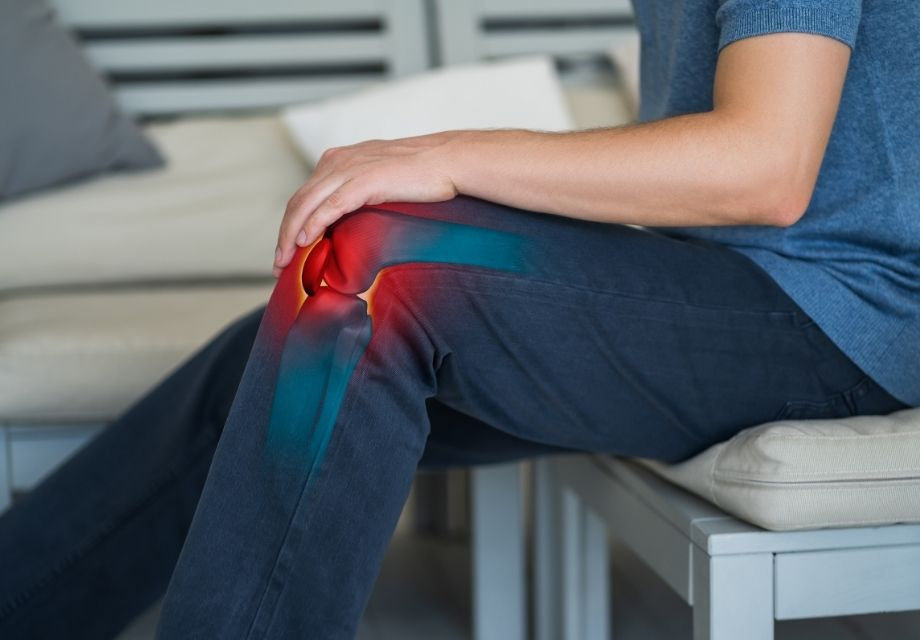
Anterior knee pain is a common complaint that can negatively affect daily life, especially during activities such as climbing stairs, squatting, sitting for long periods, or playing sports.
Add us as a preferred source on GoogleSee our new articles higher in your searchesAddIt is frequently seen in both young, active individuals and older adults. As one of the most complex and weight-bearing joints in the body, the knee is vulnerable to pain originating from many different structures.
Conditions such as patellofemoral pain syndrome, chondromalacia patella, medial patellar plica syndrome, meniscus tears, or ligament injuries may all be underlying causes of anterior knee pain.
In this article, we will explore the common causes of front knee pain, diagnostic methods, and effective treatment options. Maintaining knee health and applying the right treatment approach are essential for a pain-free and active lifestyle.
What Is Anterior Knee Pain?
Anterior knee pain refers to discomfort typically felt around or behind the kneecap (patella), often making walking, climbing stairs, or exercising more difficult. This condition may arise due to malalignment of the patella, structural abnormalities, or rotational issues of the kneecap.
Common contributing factors include muscle imbalances, flat feet (pes planus), or prior traumatic injuries. Proper diagnosis and a personalized treatment plan by a specialist are crucial for long-term relief.
If you are struggling with persistent front knee pain, don’t delay! Get in touch with Op. Dr. Utku Erdem Özer for expert evaluation and customized treatment solutions.
Common Causes of Front Knee Pain
The causes of pain in the front of the knee can vary depending on age, activity level, and overall joint health. Some of the most frequently encountered causes include:
- Patellofemoral Pain Syndrome: This occurs due to friction or misalignment between the kneecap (patella) and the thigh bone (femur). Pain typically worsens when climbing stairs or sitting for extended periods.
- Chondromalacia Patella: This refers to the softening or damage of the cartilage beneath the kneecap. It is often caused by repetitive stress or improper joint mechanics.
- Medial Patellar Plica Syndrome: The plica is a naturally occurring fold of tissue inside the knee. When inflamed or thickened due to overuse or irritation, it can cause pain, especially along the inner side of the knee. Patients may also feel a catching or rubbing sensation during movement.
- Patellar Tendinitis (Jumper’s Knee): This condition is caused by inflammation of the patellar tendon, which connects the kneecap to the shinbone. It is especially common in athletes and individuals who engage in jumping sports.
- Quadriceps Tendinitis: This involves inflammation of the quadriceps tendon, located where the quadriceps muscle attaches to the top of the kneecap. It is frequently seen in runners, cyclists, and jumping athletes, and presents with pain above the kneecap.
- Meniscus Tears: Injuries to the meniscus — especially anterior horn tears — can contribute to front knee pain. These typically result from twisting motions or direct trauma to the knee.
- Knee Osteoarthritis: This is the gradual wear and tear of cartilage within the knee joint, more common in older adults. Symptoms often include pain, stiffness, and reduced mobility.
- Patellar Maltracking or Dislocation: Improper alignment or dislocation of the patella can cause significant anterior knee pain, particularly during movement or activity.
Symptoms of Anterior Knee Pain
The symptoms of anterior knee pain can vary depending on the underlying cause. However, some of the most common signs include:
- Pain and tenderness around the kneecap, especially at the front of the knee
- Pain that worsens when climbing or descending stairs
- Aching or stiffness in the knee after sitting for a long time
- Swelling or warmth around the kneecap
- A popping, grinding, or clicking sensation during knee movement
- Tenderness above or around the kneecap, which may indicate quadriceps tendinitis
Diagnosis of Anterior Knee Pain
An accurate diagnosis is essential for developing an effective treatment plan. The following methods are commonly used to identify the cause of front knee pain:
- Physical Examination: A doctor will assess the range of motion, joint stability, and painful areas around the knee.
- Imaging Technique: X-rays, MRI scans, and ultrasound are used to evaluate structural problems, inflammation, and soft tissue injuries inside the knee.
- Medical History: Understanding when the pain started, which activities make it worse, and whether any other symptoms are present helps narrow down the diagnosis.
When Should You See a Doctor for Front Knee Pain?
In some cases, anterior knee pain may improve with rest and gentle exercises. However, medical evaluation is necessary if you experience any of the following:
- Sudden and severe pain in the knee
- Noticeable swelling, warmth, or bruising
- A feeling that the knee is locked or movement is restricted
- Inability to bear weight or walk normally
- Pain that does not improve despite rest, ice, and over-the-counter medications
- Night pain that interrupts sleep or continues while resting
- Recurring pain after specific movements or activities
Treatment Options for Anterior Knee Pain
The primary goals of anterior knee pain treatment are to reduce pain, improve joint function, and prevent future injuries. The treatment plan may vary depending on the underlying cause and severity of the pain.
1. Medications
- Pain Relievers and Anti-inflammatory Drugs
Nonsteroidal anti-inflammatory drugs (NSAIDs) help reduce both pain and inflammation. - Topical Creams
Pain-relieving creams applied to the knee area may provide temporary relief.
2. Physical Therapy and Rehabilitation
- Quadriceps and Hamstring Strengthening
Strengthening the muscles around the knee improves joint stability and reduces stress on the kneecap. - Stretching Exercises
Enhancing muscle flexibility helps maintain range of motion and joint mobility. - Patellar Tracking Exercises
Targeted exercises are used to promote proper kneecap alignment and movement.
3. Injection Therapies
- Cortisone Injections
These are used to provide rapid relief from severe inflammation and swelling in the knee joint. - PRP (Platelet-Rich Plasma) Therapy
Platelet-rich plasma, derived from the patient’s own blood, is injected into the knee to support tissue healing and regeneration. - Exosome and Stem Cell Therapy
These innovative biological treatments help repair damaged tissue and reduce chronic inflammation.
4. Orthopedic Supports and Bracing
- Knee Braces and Patellar Straps
Used to support proper patellar alignment and stabilize the joint, reducing pain during activity. - Custom Orthotics
Shoe inserts designed for flat feet or abnormal gait mechanics can help reduce strain on the knee joint.
5. Lifestyle Modifications
- Weight Management
Excess weight places additional stress on the knee joint and can worsen symptoms. - Activity Modification
Avoiding high-impact activities and switching to low-impact exercises like swimming or cycling can be beneficial.
6. Surgical Treatments
If non-surgical treatments fail and pain significantly affects quality of life, surgery may be considered:
- Arthroscopy
A minimally invasive procedure used to treat conditions such as meniscus tears, medial patellar plica, or chondromalacia patella. - Knee Replacement Surgery
Recommended for severe knee osteoarthritis or advanced degeneration of the joint.
Exercises for Anterior Knee Pain
Targeted exercises are an effective way to relieve anterior knee pain and prevent recurrence. Regular stretching and strengthening routines—especially for the quadriceps and hamstrings—can improve joint stability and reduce pain.
Squat-based exercises may help reduce pressure on the patella when done with proper technique and gradual progression. These exercises are most effective when combined with the RICE protocol (Rest, Ice, Compression, Elevation).
Recommended Exercises:
- Quadriceps stretching
- Hamstring strengthening
- Standing calf stretches
- Supportive foot exercises (especially helpful for flat feet)
How to Prevent Anterior Knee Pain
- Use Proper Exercise Techniques: Avoid overloading the knee joint by practicing correct form during sports and workouts.
- Warm-Up and Cool-Down: Prepare the muscles and ligaments for activity and recovery by warming up before and cooling down afterward.
- Strength and Flexibility Training: Build not just strength but also flexibility in the muscles surrounding the knee—especially the quadriceps, hamstrings, hips, and core.
- Proper Footwear: Choose supportive shoes with proper arch support, especially for athletic activities.
- Take Breaks During Activity: Avoid repetitive stress by taking regular breaks to let the joint rest and recover.
What Does Pain in the Front of the Kneecap Indicate?
Pain in the front of the kneecap can be a symptom of several different conditions. One of the most common is “theater sign”—pain that develops after sitting with a bent knee for an extended period.
Other possible causes include:
- Patellar tendinitis
- Patellar maltracking or misalignment
- Subluxation (partial dislocation) of the kneecap in more severe cases
If you’re experiencing persistent pain in this region, consult an orthopedic specialist to determine the exact cause and appropriate treatment.
Which Doctor Should You See for Anterior Knee Pain?
If you are dealing with pain in the front of your knee, the right specialist to consult is an orthopedic and traumatology doctor. Your physician may perform a physical examination, request imaging tests, or in some cases recommend arthroscopic surgery.
In patients with structural misalignment of the leg, realignment procedures such as a Fulkerson osteotomy may be considered. However, in milder cases, conservative approaches like exercise and bracing are often sufficient.
Conclusion
Knee pain can significantly impact your quality of life, but with the right diagnosis and treatment, it is usually manageable. Identifying the root cause is key to effective therapy. Through consistent exercise, healthy lifestyle habits, and a personalized treatment plan, you can protect your knee health and stay active.