/* SEO Typography */ .nv-wrapper h1 { font-size: 2.5rem; color: var(--nv-heading); font-weight: 700; border-bottom: 4px solid var(--nv-primary); padding-bottom: 15px; margin-bottom: 30px; } .nv-wrapper h2 { font-size: 1.8rem; color: var(--nv-heading); font-weight: 700; margin-top: 3rem; margin-bottom: 1.5rem; display: flex; align-items: center; gap: 12px; } .nv-wrapper h2::before { content: ""; width: 8px; height: 30px; background: var(--nv-primary); border-radius: 4px; display: inline-block; } .nv-wrapper h3 { font-size: 1.4rem; color: var(--nv-primary-dark); font-weight: 600; margin-top: 2rem; } .nv-wrapper h4 { font-size: 1.1rem; color: var(--nv-primary-dark); font-weight: 600; } .nv-wrapper p { margin-bottom: 1.5rem; }
/* TL;DR Box */ .nv-tldr-box { background: #f0f7f2; padding: 25px; border-left: 5px solid var(--nv-primary); border-radius: 0 12px 12px 0; margin-bottom: 30px; } .nv-tldr-box strong { display: block; margin-bottom: 10px; font-size: 1.1rem; color: var(--nv-primary-dark); }
/* Components */ .nv-intro-box { background: var(--nv-bg-accent); border-radius: 15px; padding: 30px; margin-bottom: 40px; border: 1px solid var(--nv-border); }
.nv-authority-card { background: linear-gradient(135deg, var(--nv-primary-dark) 0%, var(--nv-primary) 100%); color: white; padding: 35px; border-radius: 20px; margin: 40px 0; box-shadow: 0 15px 30px rgba(6, 130, 163, 0.2); text-align: center; } .nv-authority-card h4 { font-size: 1.5rem; margin: 0 0 10px 0; color: #ffffff; } .nv-btn-group { display: flex; gap: 15px; justify-content: center; margin-top: 25px; flex-wrap: wrap; } .nv-btn { padding: 12px 30px; border-radius: 50px; text-decoration: none; font-weight: 600; transition: 0.3s; } .nv-btn-wa { background: #25d366; color: white; } .nv-btn-site { background: white; color: var(--nv-primary-dark); } .nv-btn:hover { transform: translateY(-3px); box-shadow: 0 5px 15px rgba(0,0,0,0.1); }
.nv-grid { display: grid; grid-template-columns: repeat(auto-fit, minmax(300px, 1fr)); gap: 20px; margin: 30px 0; } .nv-data-card { background: var(--nv-bg-light); border: 1px solid var(--nv-border); padding: 25px; border-radius: 12px; height: 100%; border-top: 3px solid var(--nv-primary); } .nv-data-card h4 { color: var(--nv-primary-dark); margin-top: 0; font-size: 1.2rem; }
.nv-list { list-style: none; padding: 0; margin: 20px 0; } .nv-list li { padding-left: 30px; position: relative; margin-bottom: 12px; } .nv-list li::before { content: "→"; position: absolute; left: 0; color: var(--nv-primary); font-weight: bold; }
.nv-science-note { background: var(--nv-warning); border-left: 5px solid var(--nv-warning-border); padding: 20px; border-radius: 8px; font-style: italic; margin: 20px 0; font-size: 0.95rem; }
.nv-video-wrapper { position: relative; padding-bottom: 56.25%; height: 0; overflow: hidden; border-radius: 15px; margin: 30px 0; border: 1px solid var(--nv-border); box-shadow: 0 10px 20px rgba(0,0,0,0.05); } .nv-video-wrapper iframe { position: absolute; top: 0; left: 0; width: 100%; height: 100%; border: 0; }
.nv-faq-item { border: 1px solid var(--nv-border); border-radius: 10px; margin-bottom: 10px; overflow: hidden; } .nv-faq-item summary { padding: 18px 25px; background: var(--nv-bg-light); cursor: pointer; font-weight: 600; list-style: none; display: flex; justify-content: space-between; align-items: center; } .nv-faq-item summary::-webkit-details-marker { display: none; } .nv-faq-item summary::after { content: "+"; color: var(--nv-primary); font-size: 1.5rem; } .nv-faq-item[open] summary::after { content: "-"; } .nv-faq-content { padding: 20px 25px; border-top: 1px solid var(--nv-border); line-height: 1.6; }
.nv-alert-box { background: #fee2e2; border-left: 5px solid #ef4444; padding: 20px; border-radius: 8px; margin: 25px 0; }
/* Table Style (Featured Snippet) */ .nv-table-wrapper { overflow-x: auto; margin: 25px 0; } .nv-table { width: 100%; border-collapse: collapse; font-size: 0.95rem; } .nv-table th { background: var(--nv-primary); color: white; padding: 14px 18px; text-align: left; font-weight: 600; } .nv-table td { padding: 12px 18px; border-bottom: 1px solid var(--nv-border); } .nv-table tr:nth-child(even) { background: var(--nv-bg-light); } .nv-table tr:hover { background: var(--nv-bg-accent); }
/* Image Placeholder */ .nv-img-placeholder { background: var(--nv-bg-light); border: 2px dashed var(--nv-border); border-radius: 12px; padding: 20px; text-align: center; margin: 25px 0; color: #94a3b8; font-size: 0.9rem; } .nv-img-placeholder .nv-img-icon { font-size: 2rem; margin-bottom: 8px; }
/* Inline CTA */ .nv-inline-cta { background: var(--nv-bg-accent); border: 1px solid var(--nv-primary); border-radius: 12px; padding: 20px 25px; display: flex; align-items: center; justify-content: space-between; gap: 15px; margin: 30px 0; flex-wrap: wrap; } .nv-inline-cta p { margin: 0; font-weight: 500; flex: 1; } .nv-inline-cta .nv-btn { flex-shrink: 0; }
@media (max-width: 768px) { .nv-wrapper h1 { font-size: 1.8rem; } .nv-grid { grid-template-columns: 1fr; } .nv-btn-group { flex-direction: column; } .nv-inline-cta { flex-direction: column; text-align: center; } }
Knee pain has many causes, including osteoarthritis, ligament and meniscus injuries, and overuse. The first line of home care is the RICE protocol (rest, ice, compression, elevation) along with the right exercises. If the pain does not resolve or is joined by symptoms such as swelling, locking, or giving way, the treatment order is as follows: first exercise and non-surgical methods, then injections such as ultrasound-guided PRP if needed, with surgery reserved as the last option. Each extra kilogram places roughly four times that load on the knee with every step, which is why weight management is a more powerful “treatment” than most supplements. As an orthopedics and traumatology specialist, in this guide I clearly explain the causes of knee pain, what actually helps at home, and the available treatment options.
The knee is one of the body’s most complex and most heavily loaded joints, carrying several times your body weight when you run. Because it is at the center of nearly every movement, from daily life to athletic performance, it is also highly prone to injury and pain. As both an orthopedics and traumatology specialist and a long-distance runner, I see every day in the clinic that knee pain is not simply “a matter of age”: it can arise for different reasons in everyone, from the young athlete to the older patient.
In this article I address the most common causes, symptoms, and treatment options for knee pain. Whether you are an athlete or someone dealing with pain in everyday life, with the right information it is possible to overcome your pain and regain your freedom of movement.
What Is Knee Pain?
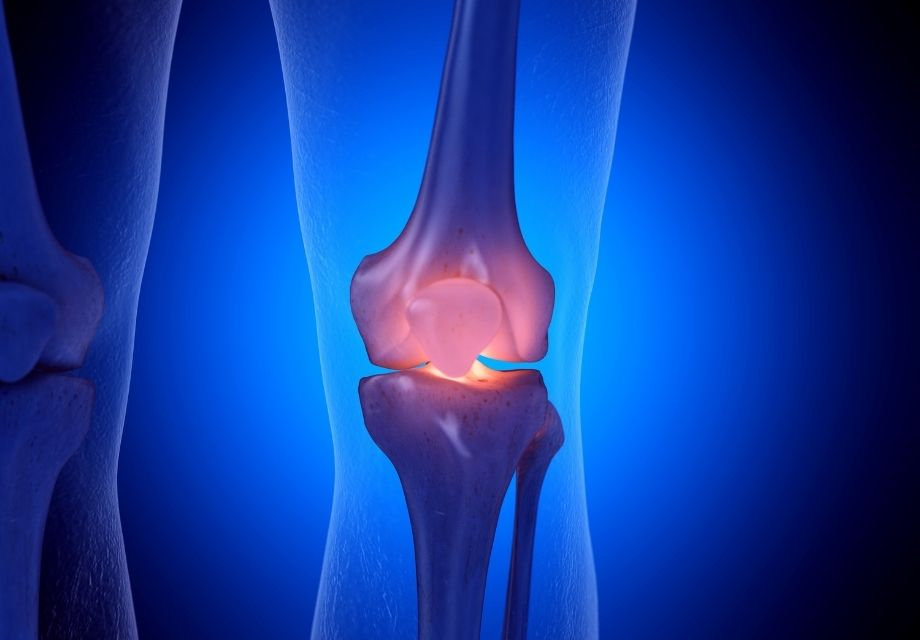
The knee is the body’s largest and most complex joint, where the thigh bone (femur) meets the shin bone (tibia). During movement it absorbs and balances a great deal of weight; this load-bearing role makes it one of the areas most open to injury.
Knee pain is discomfort, stiffness, or pain felt in the knee joint. It can stem from many causes, such as injury, overuse, osteoarthritis, or inflammatory diseases. Sometimes it is a temporary, short-lived problem; other times it becomes chronic, turning into a long-term issue that requires specialist evaluation.
Where Is the Pain Felt?
The location of the pain usually depends on which part of the joint is affected. Pain that is near the surface or at the back of the knee most often originates from muscle, tendon, or ligament. Pain deep inside the knee may come from bone or cartilage tissue. The pain is sometimes felt at a single point, and sometimes it radiates to neighboring areas such as the back of the knee, the thigh, or the lower leg.
There is a reason I ask exactly where the pain is during the examination: pain in the four regions of the knee often points to different structures. The table below does not make a definitive diagnosis, but it gives some direction to the question “what could be wrong with me?”
| Location of Pain | Common Possible Causes |
|---|---|
| Front of the knee (around the kneecap) | Softening of the kneecap cartilage (chondromalacia), patellofemoral pain syndrome (runner’s knee), patellar tendinitis (jumper’s knee), prepatellar bursitis |
| Inner (medial) knee | Medial meniscus tear, medial collateral ligament (MCL) strain, medial compartment osteoarthritis |
| Outer (lateral) knee | Lateral meniscus tear, iliotibial (IT) band syndrome, lateral collateral ligament strain |
| Back of the knee (popliteal region) | Baker’s cyst, posterior horn meniscus tear, hamstring tendon problems |
| Widespread throughout the knee | Osteoarthritis, rheumatoid arthritis, gout, joint effusion |
When and How Is the Pain Felt?
Knee pain can be constant or intermittent. It may increase during movement or when bending the knee and ease with rest. In the clinic, patients often describe it this way: “When I get up in the morning my knee is stiff and painful, it loosens up a bit during the day, but it hurts again in the evening when I get tired.” Morning stiffness, pain that increases after intense activity, and night pain are typical patterns that vary according to the underlying cause.
Symptoms of Knee Pain
Rather than evaluating a symptom on its own, it is more instructive to look at what each symptom points to:
| Symptom | Possible Cause | What to Do? |
|---|---|---|
| Morning stiffness (30 min+) | Osteoarthritis, rheumatoid arthritis | See an orthopedic or rheumatology specialist |
| Sudden swelling and warmth | Infection, acute injury | Urgent medical evaluation |
| Locking / catching sensation | Meniscus tear, loose body | See an orthopedic specialist |
| Giving way / the knee slipping | Ligament injury (ACL, PCL) | See an orthopedic specialist |
| Pain going down stairs | Patellofemoral syndrome, osteoarthritis | Physical therapy and specialist evaluation |
| Night pain | Inflammation, advanced osteoarthritis | See an orthopedic specialist |
What Causes Knee Pain?
The origin of knee pain generally falls into three main categories:
1. Overuse-Related Knee Pain
Repeating the same movement continuously (frequent jumping, working on your knees for long periods) leads to overloading of the knee and, over time, to pain. This group includes patellofemoral pain syndrome (runner’s knee), Osgood-Schlatter disease (mostly in children and adolescents), tendinitis (especially patellar tendinitis), and bursitis (especially prepatellar bursitis).
Here I want to distinguish two conditions that are often confused: runner’s knee (patellofemoral pain syndrome) relates to how the kneecap moves over the thigh bone, and the pain is around and in front of the kneecap; jumper’s knee (patellar tendinitis), on the other hand, is load-related wear of the tendon that connects the kneecap to the shin bone, and the pain is just below the kneecap. These are not the same injury, and their treatments are planned differently.
2. Knee Osteoarthritis (Arthritis)
It progresses with wear of the joint cartilage, a decrease in joint fluid, and restricted movement. Osteoarthritis, rheumatoid arthritis, post-traumatic arthritis, and post-infectious arthritis fall under this heading. Large-scale research shows that osteoarthritis affects more than 500 million people worldwide; in other words, “knee osteoarthritis” is not rare but one of the most common joint problems.
I want to correct a common misconception: I often hear the sentence “My cartilage is worn, so that’s why I hurt” in the clinic. In fact, to be frank, cartilage tissue has no pain nerves (nociceptors); the pain comes not from the cartilage itself but from surrounding tissues such as the joint capsule, ligaments, the synovium (joint lining), and the outer edge of the meniscus. That is why a person with advanced osteoarthritis on an X-ray may have mild pain, while someone whose film looks relatively good may suffer a great deal of pain. Large-scale research also confirms this mismatch: only some of those with obvious osteoarthritis on X-ray have pain, and only a portion of those who frequently experience pain show obvious findings on the film. In short, a film is information, not a verdict; we plan treatment not according to the film but according to your complaints and your examination.
3. Knee Injuries
Falls, impacts, or sudden twisting cause damage to knee structures, resulting in pain and restricted movement. Common injuries include knee sprains; ligament injuries (anterior cruciate ligament, posterior cruciate ligament, medial collateral ligament, lateral collateral ligament, MPFL); meniscus tears (medial and lateral meniscus); fractures around the knee (patella, upper end of the tibia, lower end of the femur); stress fractures (medial tibial stress fracture); and dislocations (kneecap dislocation, knee dislocation).
| Cause Category | Common Conditions | Who Is Affected? |
|---|---|---|
| Overuse | Patellofemoral syndrome, tendinitis, bursitis, Osgood-Schlatter | Athletes, active individuals, children |
| Osteoarthritis (Arthritis) | Osteoarthritis, rheumatoid arthritis, post-traumatic arthritis | Middle-aged and older adults, genetic predisposition |
| Injuries | ACL/PCL tear, meniscus tear, fractures, dislocations | Athletes, anyone exposed to trauma |
What Causes Knee Pain at a Young Age?
In young people, knee pain usually stems from excessive physical activity, poor sports technique, or muscle imbalance. An imbalance between the quadriceps and hamstrings overloads the knee joint; patellofemoral pain syndrome (runner’s knee) is common in this age group. To be frank, in a young athlete most of the small changes seen on MRI are not the real cause of the pain; the real issue is most often muscle balance and loading error.
I especially want to underline one point: the source of knee pain is not always the knee itself. The knee works like a hinge between the ankle and the hip; a problem in any link of this kinetic chain reflects onto the knee. Weak hip and hip abductor muscles (the gluteal group) cause the thigh to rotate inward and the kneecap to slip off its track; inward rolling of the ankle (overpronation) or ankle instability, flat feet, pelvic imbalance, and alignment problems such as bowlegs also disrupt the load on the knee. That is why I look for the source of the pain not only in the knee but in the entire leg and hip mechanics; treatment, too, targets not just the knee but this whole chain. Genetic factors, joint cartilage problems, and traumatic injuries can also cause pain in young people.
Conditions That Can Cause Knee Pain at a Young Age
Growing pains, osteochondritis dissecans, patellar tendinitis, and intermittent hydrarthrosis are the main conditions that can be seen in this age group.
What Causes Knee Pain in Children?
Knee pain in childhood is quite common and most often stems from harmless growing pains. However, sometimes there may be a serious underlying problem. The most common causes are:
- Growing pains: Usually between ages 3 and 12, occurring in the evening or at night and affecting both legs. This is not a serious problem and resolves with growth.
- Osgood-Schlatter disease: Especially in active children aged 10 to 15, pain and swelling just below the kneecap. It is common in young athletes who run and jump.
- Osteochondritis dissecans: Damage to the bone and cartilage on the joint surface due to insufficient blood supply. If left untreated, a free fragment may fall into the joint.
- Juvenile idiopathic arthritis: The most common rheumatic disease of childhood. It causes swelling, stiffness, and restricted movement in the knee; early treatment is important.
- Excessive physical activity: Overtraining or poor technique can cause pain.
What Causes Knee Pain During Pregnancy?
Knee pain during pregnancy is a common complaint, especially in the second and third trimesters. The main causes are:
- Increased body weight: The 10 to 15 kilograms gained places a significant extra load on the knee with every step.
- The hormone relaxin: Relaxin, secreted in preparation for childbirth, loosens all the ligaments; this can reduce knee stability and lead to pain.
- Shift in the center of gravity: The growing belly shifts the center of gravity forward; pain increases with movements such as going up and down stairs.
- Fluid retention (edema): It can cause swelling and a feeling of pressure around the knee.
Ways to Reduce Knee Pain During Pregnancy
Regular light exercise (swimming, walking), orthopedic shoes, and a supportive knee brace can provide relief. Always consult your doctor before using any medication, including pain relievers.
What Causes Knee Pain in Older Adults?
In older age, knee pain most often stems from osteoarthritis. With age, the cartilage loses its elasticity, joint fluid decreases, and bone density drops, all of which increase pain.
- Osteoarthritis: A progressive joint disease due to cartilage wear, seen in about 30% of people over the age of 50.
- Meniscus degeneration: With age the meniscus weakens and can tear even with minor trauma. Here I want to say one important point clearly: most of the meniscus wear detected on MRI in people over 40 is an incidental finding and is not, on its own, a reason for surgery.
- Osteoporosis: A decrease in bone density can lead to stress fractures around the knee.
- Muscle weakness: Loss of quadriceps and hamstring strength increases the load on the knee; that is why muscle strengthening is at the center of treatment even in older age.
What Disease Is Kneecap Pain a Symptom Of?
Kneecap pain is usually a sign of an underlying problem. Kneecap osteoarthritis (chondromalacia), kneecap maladjustment, or the “movie sign” (anterior knee pain that increases after sitting for a long time) are common causes. Inflammatory joint rheumatism can also cause kneecap pain. If the pain is accompanied by swelling around the kneecap and sudden knee swelling, this may be a sign of a joint infection or a traumatic injury and requires urgent evaluation. In such cases, to clarify the diagnosis, it may be necessary to draw and examine some fluid from the joint under ultrasound guidance (arthrocentesis); this both establishes the diagnosis and provides relief by reducing pressure.
Would you like a specialist opinion about the cause of your pain? You can reach us on WhatsApp at 90 532 255 10 51 or through our contact page.
What Helps Knee Pain?
The first question many people with knee pain ask is “what helps knee pain?” Depending on the severity, cause, and duration of the pain, there are both methods you can apply at home and medical treatments. Early and correct intervention prevents the pain from becoming chronic.
The RICE Protocol: First Aid at Home
The most basic and effective approach you can apply at home is the protocol known in the literature as RICE (in some sources, PRICE):
- R — Rest: Rest the painful knee as much as possible; avoid activities that increase the pain, but do not stay completely immobile.
- I — Ice: In the first 48 to 72 hours, apply ice wrapped in a towel for 15 to 20 minutes, 3 to 4 times a day; do not place ice directly on the skin.
- C — Compression: Support the knee with an elastic bandage or brace; do not wrap it so tightly that it blocks circulation.
- E — Elevation: Raise the leg above heart level; this reduces swelling.
Cold and Heat Therapy: Which One and When?
It is important to distinguish these two frequently confused methods:
| Application | When? | How? |
|---|---|---|
| Cold (Ice) | Acute pain, swelling, new injury (first 48-72 hours) | Ice wrapped in a towel, 15-20 min, 3-4 times a day |
| Heat | Chronic pain, muscle stiffness, morning stiffness | Hot water bottle or warm towel, 15-20 min |
Exercises and Movement Recommendations That Reduce Knee Pain
Strengthening the muscles around the knee is critical both for treating and preventing pain. Straight leg raises, wall squats, and stretching exercises that target the quadriceps and hamstrings reduce the load on the knee. Low-impact activities such as swimming and cycling are knee-friendly. I especially want to emphasize this: running, when properly planned, does not wear down the knee; on the contrary, it is beneficial for cartilage health. During the acute phase of pain, it is enough to temporarily avoid high-impact sports (running, jumping).
Weight Management and Nutrition Recommendations
Every extra kilogram of body weight places roughly four times that load on the knee with each step; when running, this load multiplies even further. That is why healthy weight management is one of the most effective ways to reduce knee pain. Fish, walnuts, and flaxseed rich in omega-3, along with vegetables and fruits that reduce inflammation, support knee health.
Herbal and Natural Methods
Herbal methods do not replace medical treatment, but they can be supportive. Consult your doctor before using any herbal product. Curcumin in turmeric and ginger stand out in studies for their anti-inflammatory properties; omega-3 fatty acids are known for their effect in reducing joint inflammation. These components can be considered as nutritional support, especially for mild to moderate osteoarthritis pain. However, relying only on herbal methods for serious knee pain can allow the underlying problem to progress.
What Are the Treatment Methods for Knee Pain?
My fundamental principle in treating knee pain is to proceed step by step: we always start with the lowest load and avoid excessive intervention. The order is as follows: first non-surgical methods such as exercise, weight management, medication, and physiotherapy; if these are insufficient, ultrasound-guided injections; and surgery as the last option.
1. Medication
It can be used to reduce pain and control inflammation. Pain relievers such as paracetamol provide short-term relief. Nonsteroidal anti-inflammatory drugs (NSAIDs) ease pain by reducing inflammation; however, do not use this group without consulting your doctor. Oral medications manage the symptom; they do not reverse the disease.
2. Physical Therapy and Rehabilitation
Many types of knee pain can be brought under control with the right exercise and physiotherapy program. Muscle strengthening targeting the quadriceps, hamstrings, and calf; stretching; balance and coordination work; and ultrasound and electrotherapy fall within this scope. In tissue-level tendon problems (for example, patellar tendinosis), exercise forms the first step.
In tendon problems, the type of exercise also matters. In tendinopathies such as jumper’s knee, eccentric loading (the controlled lengthening of the muscle under load) and isometric exercise (contraction without a change in joint angle) are the approaches that gradually strengthen the tendon and have the strongest evidence; isometric work has also been shown to reduce pain in the short term. But we need to be realistic here: tendon healing is slow, and these programs often take weeks and sometimes months. Results come not with the expectation of “let it heal in a week” but through patient, regular loading.
3. Lifestyle Changes
Reaching an ideal weight reduces joint load; orthopedic insoles may be preferred in appropriate patients; and activity level and rest periods should be balanced.
4. Injection Treatments (Ultrasound-Guided)
When non-surgical methods prove insufficient, it is time for injection treatments. In our clinic, we perform all intra-articular injections under ultrasound (US) guidance; this ensures the needle is placed with millimeter precision in the correct tissue and is both safer and more effective than a “blind” injection. In tissue-level tendon pathologies (especially patellar tendinosis, and by the same principle quadriceps tendinosis), we prefer the combination of EPTE (percutaneous electrolysis) with ultrasound-guided PRP; our aim here is not only to suppress the pain but to support the repair of the tissue.
I want to underline the importance of timing in regenerative treatments: these methods are more effective in the early to intermediate stage, before significant deformity develops; in the advanced stage, where cartilage has largely disappeared, their effects may be limited. In other words, the “let’s wait until it gets worse and then look at it” approach often narrows the treatment window. I also keep expectations realistic: these treatments are not miracles but approaches that support the tissue’s own capacity to repair itself.
- PRP / ACP (Sanakin) treatment: A regenerative method prepared from the person’s own blood that supports tissue repair; PRGF and similar derivatives are chosen as needed.
- Exosome therapy: An approach that targets healing at the cellular level; it is applied together with the first dose of the planned PRP series.
- Stem cell therapy: Considered in suitable cases to support the repair of damaged tissues; large-scale research shows that stem cell applications can improve cartilage quality and reduce pain.
- Hyaluronic acid: Can be used in appropriate stages of osteoarthritis for intra-articular lubrication; relief after a single dose or a series of applications can last up to six months in research.
- Cortisone: In early to intermediate osteoarthritis (stages 1-3), we do not use it routinely because of the risk of damaging the cartilage; it is preferred only in the advanced stage where cartilage has largely disappeared (stage 4) and in selected inflammatory conditions, at no more than a few doses per year. Large-scale research shows that a single dose of cortisone injection can reduce pain for up to 4 to 6 weeks; however, its effect is temporary and frequent repetition is not recommended.
5. Surgical Options
Surgery is the last step and comes up when non-surgical methods have been exhausted. When possible, I prefer minimally invasive (closed) methods: arthroscopy (a closed method for meniscus and ligament problems), knee replacement surgery (for advanced osteoarthritis), and ligament repair surgeries are the main options. In every operation I describe a realistic recovery process; it is not a miracle but a planned recovery.
| Treatment Method | Suitable Situation | Recovery Time |
|---|---|---|
| Medication | Mild to moderate pain and inflammation | A few days – weeks |
| Physical Therapy | Muscle weakness, chronic pain | 4-12 weeks |
| Ultrasound-Guided PRP / Stem Cell | Tissue repair, early to intermediate osteoarthritis, tendinosis | 6-12 weeks |
| Arthroscopy | Meniscus tear, ligament injury | 4-6 weeks |
| Knee Replacement | Advanced osteoarthritis, severe joint damage | 3-6 months |
Which Exercises Should Be Done for Knee Pain?
Simple and effective exercises you can do at home:
- Straight leg raise: Lie on your back; keeping one leg straight, raise it about 30 cm, hold for 5 seconds, then slowly lower it. 10 repetitions.
- Knee bend (hamstring stretch): Stand upright; extend one leg forward and bend the other as you lean forward. Hold for 20-30 seconds.
- Wall squat: Lean your back against the wall; squat down by bending the knees up to 90 degrees. Hold for 5-10 seconds.
- Knee squeeze with a ball: Place a soft ball between your knees while seated in a chair and squeeze for 5 seconds. 10 repetitions.
- Ankle pumping: Move the ankle up and down. 20 repetitions.
⚠️ Caution: If you feel pain, stop; perform the movements in a controlled way and apply them regularly. It is recommended that you get a specialist opinion before starting exercises, because with anterior knee pain such as runner’s knee and chondromalacia, the wrong exercise can increase the pain.
How Can I Prevent Knee Pain?
During physical activity: use the right protective equipment, do not continue despite pain, rest enough, and do not neglect warm-up, stretching, and cool-down movements.
In daily life: keep your home and work area tidy (to reduce the risk of falling), use a stepladder rather than a chair or table when reaching something high, and if you have difficulty walking, use a cane or walker for support.
For muscle and joint health: strengthen the muscles around the knee (quadriceps, hamstrings, calf), work on balance and stability, and avoid excess weight.
Footwear and early symptoms: use orthopedic insoles, do not wear high heels for long periods; and if you notice symptoms such as swelling, redness, or warmth, consult an orthopedic specialist.
The 10 Most Common Mistakes in Treating Knee Pain
- Continuing activity despite pain.
- Using incorrect exercise techniques.
- Excessive rest and immobility (which leads to stiffening of the joint).
- Wrong choice of footwear.
- Not warming up and cooling down enough.
- Applying uncontrolled treatment at home (unsupervised heat and cold, etc.).
- Ignoring excess weight.
- Improper use of knee braces and supportive equipment.
- Avoiding professional help.
- Becoming dependent on pain relievers.
Which Department and Doctor Should I See for Knee Pain?
For knee pain, you should first consult an orthopedics and traumatology specialist. In hospitals, units also called the “knee clinic” are the right place. For joint pain caused by rheumatic disease, you may be referred to the rheumatology department. If your pain is due to trauma (a fall, a blow, a sports injury), you may need to go to the emergency department.
See a doctor without delay in the following situations: severe pain that increases despite rest or prevents daily activity; swelling and redness accompanied by warmth around the knee and fever; a locking sensation or inability to fully bend the knee; inability to bear weight on the knee or a giving-way sensation; deformity following a fall or blow.
Which Supplements and Herbal Methods Help Knee Pain?
This is the most searched but most exaggerated topic online. In the clinic my patients often ask: “Doctor, should I take glucosamine or collagen, and if I simmer bone broth will my cartilage come back?” My clear and scientific answer is this: some of these supplements may ease pain somewhat in some patients, but none of them restore worn cartilage, and none of them replace exercise, weight management, and proper treatment. I always remind people of this: every extra kilogram loads the knee with 4 to 6 times that weight per step; in other words, losing 5 kilograms is a more powerful “medicine” than most supplements.
Joint Supplements: Glucosamine, Chondroitin, Collagen
What these supplements have in common is this: serious harm is rare, but they are not miraculous either. Their levels of scientific evidence and realistic expectations are summarized in the table below.
⚠️ Safety note: Glucosamine is mostly derived from shellfish; be careful if you have a seafood allergy. Glucosamine can affect blood sugar, so people with diabetes should consult their doctor. Chondroitin, high-dose omega-3, and turmeric extract can have a blood-thinning effect; if you use blood thinners or are going to have surgery, be sure to tell your doctor.
| Supplement | Scientific Evidence | Realistic Expectation |
|---|---|---|
| Glucosamine + chondroitin | Controversial. Large-scale research showed no clear superiority over placebo in the general population; a slight reduction in pain was reported in some patients with moderate to advanced osteoarthritis. | May reduce pain in some patients; does not repair cartilage. Try it for 2-3 months and stop if you see no benefit. |
| Type-2 collagen (UC-II / hydrolyzed) | Limited but promising. Small studies showed improvement in pain and function in knee osteoarthritis; definitive evidence is not yet available. | Relief in some patients who try it; expecting structural repair is not realistic. |
| Curcumin (turmeric extract) | The strongest evidence among herbals. Some studies reported pain reduction close to the level of anti-inflammatory drugs in knee osteoarthritis. | May provide symptomatic relief; its absorption is low, so the formulation matters. |
| Omega-3 (fish oil) | Has an anti-inflammatory effect; its benefit is clearer in inflammatory rheumatism and indirect in osteoarthritis. | Contributes to overall joint and heart health; not a pain reliever on its own. |
| Vitamin D | Its deficiency is associated with musculoskeletal pain; however, if there is no deficiency, no clear effect of supplementation on pain has been shown. | Replenish if your blood level is low; do not think of it as a “pain pill.” |
| MSM, chondroitin alone, bone broth | Weak and insufficient evidence. | Does no harm; do not expect a clear benefit. |
Herbal and Natural Methods: What Can Be Trusted, What Cannot?
On the herbal side, the situation divides in two. On one side there are options with modest scientific support: turmeric (curcumin) is the most promising for knee osteoarthritis; ginger has a mild anti-inflammatory effect; and warming oils applied with massage can increase local blood flow and relax the muscle, providing temporary relief. These do no harm and can be used as support.
On the other side are practices with no scientific basis: tail fat, bone broth cures, and various poultices and pastes. The collagen in bone broth taken by mouth is broken down in the digestive system; it does not go straight to your knee and rebuild the cartilage. Their real harm is often not the products themselves but the fact that they cause the real diagnosis and treatment to be postponed for weeks. Saying “let me try one more cure” while there is locking, giving way, and increasing swelling narrows the treatment window.
You May Also Be Interested: I discuss the stages of osteoarthritis and treatment options in detail on the Knee Osteoarthritis page, and ultrasound-guided needle treatments on the Intra-Articular Injection page. Those experiencing anterior knee pain can visit the Anterior Knee Pain page; those curious about the condition common in runners can look at the Runner’s Knee page; those examining softening of the kneecap cartilage, the Chondromalacia Patella page; and those interested in the tendon problem seen in jumpers, the Patellar Tendinitis page.
Frequently Asked Questions About Knee Pain
What causes knee pain?
Knee pain can stem from causes such as injuries, overuse, knee osteoarthritis, ligament and meniscus tears, and inflammation (bursitis, tendinitis). In addition, aging, excess weight, and unsuitable physical activities can increase knee pain. What matters is reaching the true cause by correctly reading the location and type of the pain.
What helps knee pain?
The first line of care for knee pain is the RICE protocol (rest, ice, compression, elevation). Ice is applied in the first 48 to 72 hours, 3 to 4 times a day, for 15 to 20 minutes. After that, exercises that strengthen the muscles around the knee, weight management, and a diet that reduces inflammation ease the pain. For severe pain or pain lasting longer than 2 weeks, an orthopedic specialist should be consulted.
When should I see a doctor for knee pain?
If you have symptoms such as severe pain, swelling, redness, restricted movement, locking, a giving-way sensation, or inability to bear weight on the knee, you should definitely see an orthopedic specialist. Sudden swelling and warmth together with fever require urgent evaluation.
What should I do in the first 48 hours of knee pain, and what should I avoid?
In the first 48 hours, apply RICE: rest the knee, place ice wrapped in a towel for 15-20 minutes (3-4 times a day), support it gently with an elastic bandage, and raise the leg above heart level. What to avoid: continuing sports despite the pain, applying heat during the acute phase (it increases swelling), harsh massage, and pain-reliever dependence without a doctor. Staying completely immobile is also wrong; controlled movement supports healing.
Which exercises should I avoid with knee pain?
During the painful period, you should avoid movements that load the kneecap joint: deep squats and lunges beyond 90 degrees, knee extension machines with heavy weights, high-impact running and jumping, and prolonged squatting. These increase pressure in the kneecap joint and delay healing. Instead, controlled, pain-free strengthening and low-impact swimming and cycling are preferred. The exercise program should always be planned with an individual assessment.
Should I use ice or heat for knee pain?
For acute (new-onset) pain and if there is swelling, ice is applied (15-20 minutes, 3-4 times a day). For chronic pain and muscle tension, heat is preferred. For morning stiffness, a warm shower softens the joints.
My X-ray showed osteoarthritis, do I need surgery right away?
No. Seeing osteoarthritis on an X-ray is not on its own a reason for surgery. To be frank, a film is information, not a verdict; there are no pain nerves in cartilage, so the image on the film and the severity of your pain often do not match. We always start treatment with the lowest load: exercise, weight management, non-surgical methods, and, when necessary, ultrasound-guided injections. A replacement comes up only when these steps have been exhausted, in the advanced stage.
Does worn knee cartilage repair itself?
Cartilage has a very limited capacity to repair itself; lost cartilage does not return to its former state. That is why no supplement, cream, or cure restores worn cartilage. However, regenerative methods such as PRP and stem cells can support the tissue’s repair capacity in the early to intermediate stage; large-scale research shows that these methods can reduce pain and improve cartilage quality. The goal is not to regrow the cartilage but to preserve the existing tissue and slow the process.
What could be the cause of my anterior knee pain (around the kneecap)?
The most common causes of anterior knee pain are softening of the kneecap cartilage (chondromalacia), patellofemoral pain syndrome (runner’s knee), and wear of the tendon that connects the kneecap to the shin bone (patellar tendinitis / jumper’s knee). Pain that increases going down stairs or after sitting for a long time is typical. Most of these conditions can be brought under control without surgery, with the right exercise and load management.
Do running and walking wear out the knee?
Contrary to popular belief, properly planned running and walking do not wear out the knee; on the contrary, they support cartilage nourishment and strengthen the muscles around the knee. The real cause of pain seen in runners is most often not cartilage wear but hip and thigh muscle imbalance and loading error. Stretching before and after running, proper footwear, gradual increases in distance, and strong hip and leg muscles protect the knee. It is enough to briefly pause high-impact activities only during the acute pain period.
Is knee pain in children dangerous?
It mostly stems from harmless causes such as growing pains or Osgood-Schlatter. However, when the pain lasts longer than 2 weeks or is accompanied by swelling, restricted movement, or limping, an orthopedic specialist should definitely be consulted.
Are injection treatments effective for knee pain?
Yes, in the right patient. Injections such as PRP, ACP/Sanakin, exosome, stem cells, and hyaluronic acid are used to reduce pain and support tissue repair. Cortisone, on the other hand, is not for every case but is limited to selected situations; in early to intermediate osteoarthritis, we do not use it routinely because of the risk of damaging the cartilage. Most importantly: we perform all intra-articular injections under ultrasound (US) guidance; this places the needle with millimeter precision in the correct tissue, increasing both safety and effectiveness.
Which is better, PRP or stem cell therapy?
There is no single “better” answer; the choice varies according to the stage, the condition of the tissue, and the goal. PRP is prepared from the person’s own blood and is rich in growth factors that support tissue repair; it is usually the first-line regenerative option. Stem cells are considered in more advanced cases. Exosome can be applied together with the first dose of the planned PRP series. The common principle is this: these methods are more effective in the early to intermediate stage before significant deformity develops, all are applied under ultrasound guidance, and they are not miracles but approaches that support repair.
What is EPTE for knee pain, and who is it applied to?
EPTE (percutaneous electrolysis) is a method that triggers healing by applying a low-intensity current to worn tendon tissue through a fine needle under ultrasound guidance. It is preferred especially for tissue-level tendon problems (patellar tendinosis / jumper’s knee, and by the same principle quadriceps tendinosis) and is usually applied together with ultrasound-guided PRP. The aim is not to suppress the pain but to support the repair of the tendon. It is suitable for tendon pathologies, not for osteoarthritis itself.
When is knee replacement surgery necessary?
Knee replacement is the last step. It is recommended only for those with advanced osteoarthritis or severe joint damage whose pain significantly limits daily life and for whom non-surgical methods such as exercise, weight management, medication, physiotherapy, and ultrasound-guided injections have proven insufficient. It is not correct to steer someone toward a replacement early just because there is osteoarthritis on an X-ray; first, all the lower-load options are tried.
Is knee pain during pregnancy normal?
Knee pain during pregnancy is a common complaint due to increased weight, the ligament-loosening hormone relaxin, and the shifting center of gravity. Light exercise, orthopedic shoes, and a knee brace can provide relief. If there is severe pain and swelling, a doctor should be consulted.
Which shoes should be preferred for knee pain?
Shoes that have an orthopedic sole, provide good cushioning, and support the foot correctly should be preferred. Since inward rolling of the foot (overpronation) loads the knee, a suitable insole can balance this load. During sports, athletic shoes appropriate for the activity should be used.
Does glucosamine really help knee pain?
The evidence is controversial. Large-scale research has shown that glucosamine is not clearly superior to placebo in the general patient group; however, some patients with moderate to advanced osteoarthritis describe a slight reduction in their pain. Glucosamine does not restore worn cartilage; you can try it for 2-3 months and stop if you see no benefit.
Should I take a collagen supplement for knee pain?
For type-2 collagen (especially UC-II and hydrolyzed forms), small studies have reported improvement in pain and movement, but the evidence is not yet definitive. Harm is rare, and it can be tried as support; however, collagen taken by mouth does not go straight to the cartilage in your knee and rebuild it.
Which vitamin helps knee pain?
The most talked about is vitamin D. If your blood vitamin D is low, replenishing it is important for musculoskeletal health; however, if you do not have a deficiency, there is no strong evidence that vitamin D supplementation relieves pain. Think of the supplement not as a pain pill but as a way to correct a confirmed deficiency.
Does bone broth help knee pain?
Although it is popular among the public, its scientific basis is weak. When taken by mouth, the collagen in bone broth is broken down during digestion; it does not go straight to the cartilage in your knee and rebuild it. It can be consumed as a nourishing food, but it is not a treatment and should not delay the actual treatment.
Does turmeric (curcumin) help knee pain?
It is the most promising of the herbal options. Some research has reported that curcumin reduces pain in knee osteoarthritis to a level close to that of anti-inflammatory drugs. Because its absorption is low, the formulation matters. It can be used as support, but it does not replace medical treatment.
What should I pay attention to in order to prevent knee pain?
Avoid excess weight; every extra kilogram places several times that load on the knee per step. Strengthen the muscles around the knee and the hip, do not neglect warm-up and cool-down movements, avoid sudden increases in load by increasing activity gradually, and choose suitable footwear. Do not ignore early symptoms (swelling, warmth).
Can knee pain in older adults resolve without surgery?
In most cases, yes. The most common cause of knee pain in older age is osteoarthritis, and the majority of it can be managed without surgery: weight management, exercise that strengthens the hip and leg muscles, suitable footwear, medication, and, when necessary, ultrasound-guided injections. Older age is not an obstacle to muscle strengthening; on the contrary, strong muscles reduce the load on the knee. Surgery comes up only when these methods prove insufficient and the pain seriously limits life.
Conclusion
Knee pain can arise from many causes, such as osteoarthritis, injury, or genetic factors, and it can seriously reduce quality of life. Correctly diagnosing the source of the pain is the first condition for effective treatment. We have a broad range of tools at our disposal: physical therapy, medication, ultrasound-guided injections, and surgery when necessary. But my fundamental principle is always the same: to start with the lowest load, to avoid unnecessary intervention, and to keep surgery as the last option. Early intervention prevents the pain from becoming chronic; regular exercise, an ideal weight, and movements that do not strain the joint are decisive in protecting knee health.
Would you like a personalized plan for your knee pain?
Take the first step toward a pain-free, active life and get in touch with us. WhatsApp: 90 532 255 10 51 • Book an Appointment