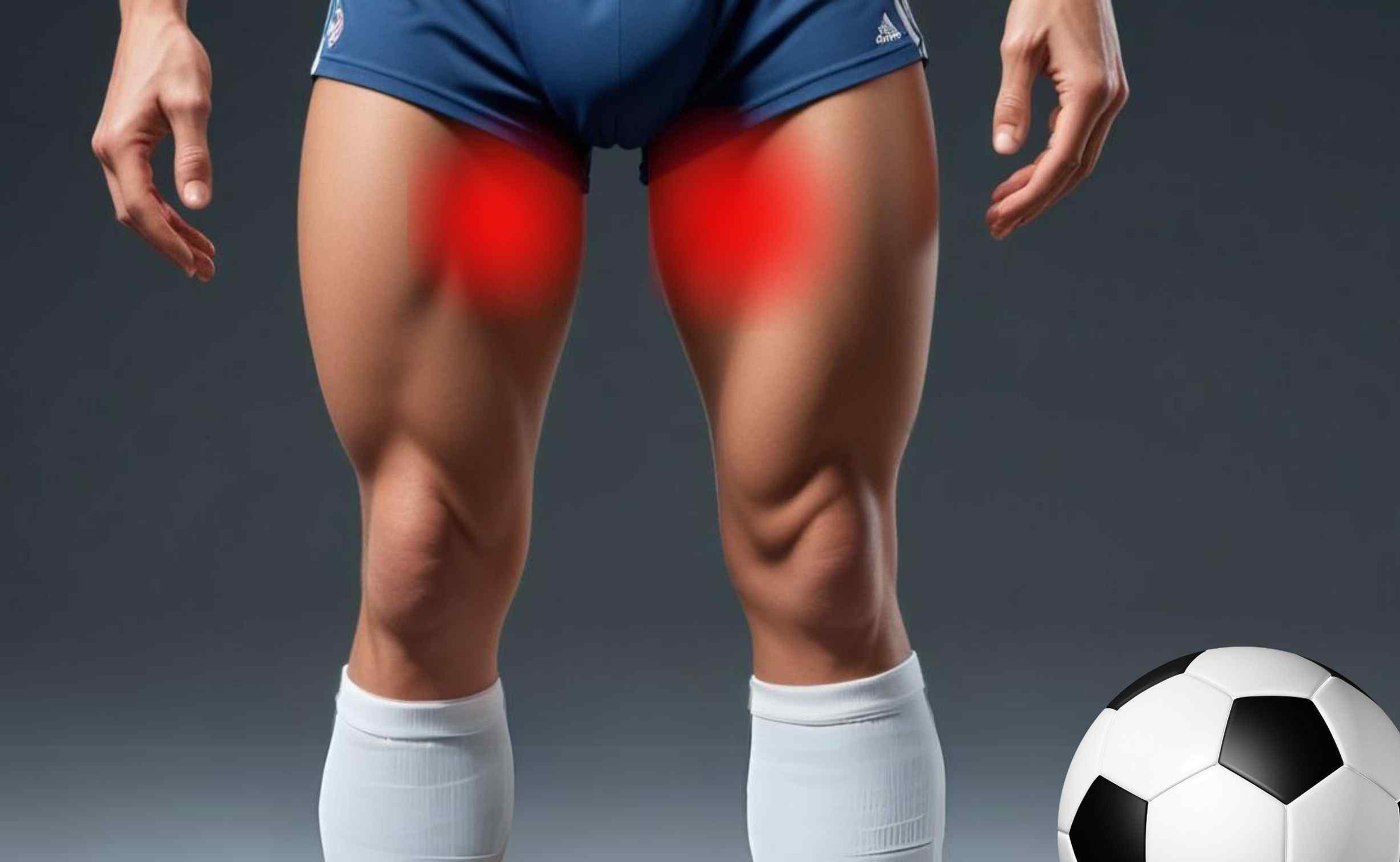
Adductor muscle injuries are commonly seen in sports that require sudden directional changes and intense muscle use, such as football (soccer) and ice hockey. These injuries typically cause pain and limited mobility in the inner thigh region. They are often triggered by sudden movements, inadequate warm-up, or overuse. If left untreated, they may lead to prolonged performance loss and chronic groin pain.
Add us as a preferred source on GoogleSee our new articles higher in your searchesAddWhat Are the Adductor Muscles?
The adductor muscle group includes the adductor longus, adductor brevis, adductor magnus, gracilis, pectineus, and obturator externus muscles. These muscles originate from the inner pelvis and attach to the inner surface of the femur. Their main function is to pull the leg toward the body’s midline (adduction). They are especially active in football players during inside-foot passing.
What Is an Adductor Muscle Injury?
An adductor muscle injury occurs when one or more of these muscles are overstretched or torn due to excessive strain. Injuries can range from mild strains to partial or complete muscle tears. They are frequently seen in athletes involved in football, basketball, running, or tennis. Chronic strain may also lead to pelvic-related conditions such as osteitis pubis.
Symptoms of an Adductor Muscle Injury
- Sudden pain in the groin or inner thigh
- Difficulty walking or bringing the legs together
- Tenderness and reduced muscle strength in the affected area
- Pain during resisted adduction in physical examination
These symptoms are more prominent in grade 2 and grade 3 adductor injuries. Early diagnosis and treatment are essential for a faster recovery.
How Is It Diagnosed?
Adductor injuries are typically diagnosed through clinical examination. However, MRI (Magnetic Resonance Imaging) is the gold standard to determine the severity and extent of the injury. MRI helps identify the level of tearing, edema, and muscle-tendon involvement, aiding in accurate treatment planning.
Grading of Adductor Muscle Injuries
- Grade 1: Mild pain, minimal muscle weakness, no fiber tear
- Grade 2: Moderate pain, noticeable weakness, partial tear
- Grade 3: Severe pain, difficulty walking, full-thickness tear
How Long Does Recovery Take?
- Grade 1: 10–20 days
- Grade 2: 4–6 weeks
- Grade 3: 14–20 weeks
Recovery time varies depending on the size of the tear and the quality of the rehabilitation process.
Treatment Options
Treatment depends on the severity of the injury:
- Rest and Load Reduction: Early-stage rest, ice application, and use of crutches if necessary
- Pain Management: Followed by physical therapy once pain is controlled
- Physiotherapy: Customized exercises to restore flexibility and strength
- Biological Treatments: Ultrasound-guided PRP injections can be considered in certain cases
For more details, you can visit our injection therapies page.
How to Relieve Adductor Muscle Pain?
If there is no significant injury but muscle tightness or spasm is present, the most effective methods are:
- Stretching exercises
- Soft tissue massage
- Isometric strengthening
Adductor Strengthening Exercises
Strengthening the adductors helps speed up recovery and prevent re-injury. The most common exercises include:
Side Plank with Leg Raise
This targets the inner thigh by lifting the top leg while lying on the side with the bottom leg on the floor.
Leg Abduction/Adduction Exercises
While lying on your back, open and close your legs in a controlled manner. Effective for increasing flexibility.
Closed-Chain Exercises
Exercises such as squats and lunges engage both the adductors and surrounding muscle groups to improve overall lower limb strength.
Note: Exercises should always be performed under the supervision of a physiotherapist. Inappropriate exercises may delay recovery.
Muscle Imbalances and Related Issues
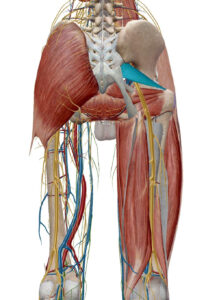
Imbalances caused by adductor injuries can lead to compensatory strain in surrounding muscles, including piriformis syndrome and other hip-related problems. For these related conditions, feel free to explore our other resources.
Conclusion
Adductor muscle strain is a common yet fully treatable condition in athletes. Characterized by groin pain and functional loss, this injury can be successfully managed with timely diagnosis, physiotherapy, and a structured exercise program.
Regularly performing strengthening exercises not only enhances recovery but also prevents recurrent injuries. If needed, PRP or other biological treatments can further support the healing process.
Questions or Appointments?
If you have questions about adductor injuries or would like to schedule an appointment, feel free to contact us. You can also visit utkuerdemozer.com to explore other orthopedic treatment options.