
Frozen shoulder (medically known as adhesive capsulitis or frozen shoulder syndrome) is a condition in which the capsule surrounding the shoulder joint becomes inflamed, thickened, and contracted, causing pain and restricted movement in the shoulder. It is most common in people over 40 and in women; the primary goals of treatment are to reduce pain and restore shoulder movement. It is usually managed with non-surgical methods.
Add us as a preferred source on GoogleSee our new articles higher in your searchesAdd📋 Quick Summary: Frozen shoulder is not merely a mechanical “shoulder problem”; current research shows that it largely develops on a metabolic and hormonal foundation — the shoulder capsule is simply the place where a process involving the entire body becomes visible. This is why it appears most often in perimenopausal women and in people with metabolic conditions such as diabetes. It progresses through three stages — freezing, frozen, and thawing — and, if left untreated, can last 1.5–3 years. The most critical factor is timing: in the first 1–2 months, before the inflammation turns into scar tissue, ultrasound-guided injections can shorten the process from months to weeks. The vast majority of patients recover without surgery; surgery (arthroscopic capsular release) is only a last resort for resistant, advanced-stage cases.
Frozen shoulder is a condition that causes pain in the shoulder joint and restricted movement, seriously reducing quality of life. In this condition, an inflammatory process develops in the capsule surrounding the shoulder joint. Over time, the capsule thickens, contracts and narrows, and the internal volume of the joint decreases. As a result, the shoulder ligaments also thicken and stiffen. Consequently, the patient struggles to move the shoulder and experiences marked restriction of movement in every direction. As the shoulder moves, pain increases; as pain increases, the shoulder is moved less. This vicious cycle is a typical course in frozen shoulder patients.
Frozen shoulder is most common in people over the age of 40 and is more prevalent in women than in men. Patients typically complain of pain that worsens with movement and shoulder pain that wakes them from sleep at night. Both a patient of mine who works at a desk and a patient of mine who swims three days a week often come to the examination with the same sentence: “My arm just stops moving past a certain point.”
In the treatment of frozen shoulder, the primary goals are to reduce pain and restore shoulder movement. For this purpose, non-surgical treatment methods are usually preferred. Foremost among these are the ultrasound-guided suprascapular nerve block together with cortisone or Sanakin PRP injections administered into the shoulder joint. These injections are highly effective both in bringing pain under control and in initiating the healing process.
Immediately after the injection treatment, physical therapy that begins without delay is of great importance. In particular, stretching exercises specifically planned for frozen shoulder and manual therapy applications should be performed regularly under the guidance of an experienced physical therapist. The aim during this process is to increase capsule flexibility and restore the shoulder’s range of motion. Physical therapy must always be applied without causing pain to the patient.
Surgery is considered only in resistant, advanced-stage cases. When healing cannot be achieved despite long-term physical therapy and injections, an arthroscopic (closed) capsular release procedure may be performed. However, in most patients, permanent recovery can be achieved without surgery through an ultrasound-guided suprascapular nerve block, intra-articular injections, and regular physical therapy.
What Is Frozen Shoulder?
Frozen shoulder is a condition characterized by shoulder pain and restricted shoulder movement. An inflammatory process is present that causes the shoulder capsule to thicken and contract, and as a result the volume of the shoulder joint capsule decreases. In addition, the shoulder ligaments embedded within the capsule are also affected, thickening and stiffening. This causes even greater restriction of shoulder movement.
I would like to describe the extent of this narrowing with a number: in a healthy shoulder, roughly 15–30 ml of fluid fits inside the joint capsule; in frozen shoulder, this volume can drop to as little as 5–6 ml. In other words, the “room to move” inside your shoulder literally shrinks — you get stuck not because the arm won’t go, but because there is no longer any room for it to go.
Here I want to touch on a point that most sources skip and that I always explain to my patients: frozen shoulder is not simply a “local shoulder problem,” as it appears to be. For years this disease was treated as a purely mechanical problem; but that view could never explain the question, “Why does it happen in one person and not another?” Why does the same simple shoulder strain resolve in a few days in one person but trigger a freezing process lasting months in another? Current research sheds light on the answer to this question: frozen shoulder largely develops on a metabolic and hormonal foundation. In short, the shoulder capsule here is merely the “stage”; the real play is a metabolic process involving the entire body. This is why diabetes, thyroid diseases, and the hormonal changes associated with menopause are so strongly linked to frozen shoulder — the joint, like the heart, kidneys, and blood vessels, behaves like a “target organ” affected by inflammatory processes. Establishing this framework from the outset is important, because it directly determines both treatment and prevention.
It is usually seen in people over the age of 40 and is more common in women. Pain that increases with movement and discomfort that wakes the patient from sleep at night are typical.
According to studies, frozen shoulder occurs in about 2% to 5% of the population. This rate rises to between 10% and 36% in patients with diabetes. Large-scale research shows that frozen shoulder typically occurs between the ages of 40 and 65 and is markedly more common in women than in men. We can appreciate just how closely the disease is identified with this age group from the fact that in some Asian countries it is even known colloquially as “fifty-year-old shoulder.”
Furthermore, clinical observations have shown that in right-handed individuals the left shoulder is usually affected, because the dominant arm, being used more actively, is more resistant to the freezing process. These data demonstrate that frozen shoulder is strongly related not only to aging but also to hormonal, metabolic, and functional factors.
What Causes Frozen Shoulder?
The causes of frozen shoulder fall into two categories: primary (idiopathic) cases, in which no trigger can be identified, and secondary cases, in which an underlying condition sets the stage. In the primary group, it is thought that the immune system mounts an exaggerated repair response against the capsule tissue. Most patients have at least one of the following conditions, and these conditions can prolong the course of the disease or delay recovery:
- Hormonal Disorders (especially perimenopause): Women in the menopausal transition (perimenopausal) are the group in which frozen shoulder is most commonly seen, and there is a concrete mechanism behind this. Estrogen also acts like a natural anti-inflammatory and serves as a “brake” that suppresses the formation of scar tissue (fibrosis) in connective tissue. During perimenopause, estrogen levels first fluctuate and then decline; when this brake weakens, even a minor strain that would normally be insignificant can turn into inflammation in the capsule and then into a slowly progressing freezing process. On examination, these patients’ histories are often strikingly similar: “My shoulder just hurt while I was lifting a suitcase onto the top shelf; I thought it would pass.” Current research also indicates that the risk of frozen shoulder is markedly increased in postmenopausal women who do not receive hormone replacement therapy (HRT). A similar predisposition is seen in patients with diabetes and thyroid disease; the risk may also increase in male patients whose testosterone balance is disturbed.
- Shoulder Trauma: Although most patients do not recall it at first, detailed questioning may reveal a simple shoulder injury. Frozen shoulder syndrome can also occur after the healing process of fractures around the shoulder.
- Neck Hernia: Patients with frozen shoulder syndrome often have various disc problems in the cervical vertebrae. The degree of these disc problems can vary from patient to patient. It may be a simple disc bulge, or it may be a ruptured cervical hernia requiring surgery.
- After Open-Heart Surgery: Frozen shoulder can develop in some patients who have undergone open-heart surgery.
- Stress: When the histories of patients in whom no cause can be found are taken, they report having recently gone through a period of heavy stress. Chronic stress affects the immune system, which in turn increases the tendency toward inflammation.
- Parkinson’s Patients: Frozen shoulder can develop due to muscle stiffness and restricted movement.
- Cardiac Patients: A reduction in physical activity, especially after cardiac surgery, sets the stage for this condition.
- Prolonged Immobilization (Inactivity): Keeping the arm in a sling after arm or shoulder surgery, or not using it for a long time, causes the capsule to stiffen.
So how do all these different causes lead to the same outcome, namely a frozen shoulder? The picture that current research reveals is as follows: a minor tissue strain triggers a “repair” signal in the body. In a metabolically healthy person, this signal results in controlled inflammation, the tissue is repaired, and everything settles within a few days. But if the ground is prepared — in conditions such as diabetes, estrogen loss in perimenopause, or thyroid dysfunction — the same signal breaks free of the brake; the cells that produce scar tissue proliferate excessively, and the capsule begins to thicken and contract. In other words, the problem often lies not in the shoulder itself, but in the metabolic environment in which that shoulder is situated.
This also explains a puzzle that confuses patients the most: “But I didn’t do anything strenuous — why did my shoulder freeze?” The typical course of the process is as follows: first a minor strain that is forgotten almost as soon as it is noticed, then a silent period of about one to two months (during which the inflammation slowly builds beneath the surface), and then a gradually more pronounced freezing. It is precisely because of this “silent delay” that the patient often cannot connect the day the pain began with that minor strain.
This mechanism has one more very practical consequence, which I will return to later in the treatment section: cells that produce scar tissue are sensitive to mechanical stress. In other words, forcing the shoulder during the inflamed period increases the inflammation rather than reducing it — more scar tissue is produced, and the capsule contracts even more. This is the scientific explanation for why the condition worsens in patients who stretch their shoulder until it hurts, reasoning that “the more I force it, the more it will open up.” That is why, in our approach, the pain threshold is never pushed in the early period.
You May Be Interested: Distal Clavicle Osteolysis (Weightlifter’s Shoulder)

Who Gets Frozen Shoulder? Risk Factors
Frozen shoulder is most common in women aged 40–60; women are affected roughly four times more often than men. However, what really matters on examination is not age or sex, but the accompanying metabolic picture. In the table below, I have summarized who is at risk and why, and what you should watch out for if you are in that group:
| Risk group | Why the risk? | What you should know |
|---|---|---|
| Perimenopausal women (ages 40–65) | Estrogen is a natural “brake” that suppresses scar-tissue formation in connective tissue; when it declines at menopause, this protection weakens and minor strains can trigger frozen shoulder | Do not dismiss prolonged shoulder pain as “a muscle strain”; early examination shortens the process. If you have menopausal symptoms, you can discuss HRT with your doctor not only for hot flashes but also for musculoskeletal health |
| Diabetes patients | High blood sugar permanently glycosylates the collagen fibers in the capsule and stiffens them; the risk increases up to fivefold | The course is longer and more resistant, and in some patients a degree of permanent stiffness may remain without full recovery. Blood sugar control does not reverse the damage already done but stops the worsening; that is why it is an integral part of treatment |
| Thyroid patients | An underactive or overactive gland disrupts connective-tissue metabolism | If your thyroid treatment is well regulated, your risk decreases; do not skip your check-ups |
| Those who have had a shoulder injury / surgery | Keeping the arm immobile in a sling for a long time causes the capsule to contract | Move the shoulder in a controlled way from the first day your doctor allows |
| Those who have had breast or open-heart surgery | Due to a protective reflex after surgery, the arm is not used for a long time | Ask your surgical team for a shoulder exercise program |
| Stroke and Parkinson’s patients | Muscle stiffness and reduced movement shorten the capsule | A shoulder range-of-motion exercise should be added to the rehabilitation program |
| Those with a neck hernia | Neck-related pain leads to the shoulder being used less | Shoulder and neck complaints should be evaluated together |
We can explain why menopause is so decisive by the protective effect of estrogen on the shoulder capsule. The diagram below places the two situations side by side:
I would like to add a special note for athletes, because as someone who combines swimming, cycling, and running myself, I am often asked this question: exercise does not cause frozen shoulder; on the contrary, regular movement keeps the capsule flexible. The typical story of the frozen shoulder cases we see in athletes is the arm being “forgotten” in a sling after a shoulder injury, or training being abandoned entirely out of fear of pain. In the post-injury period, moving the shoulder early and gradually under a doctor’s supervision is the most effective method of prevention.
There are two more points worth knowing: those who have had frozen shoulder in one shoulder have an increased risk of developing the disease in the other shoulder too; that is why early signs in the unaffected shoulder should be taken seriously. In addition, current research points to a possible relationship between vitamin D deficiency and frozen shoulder; when I deem it necessary on examination, I also assess the vitamin D level.
What Are the Symptoms of Frozen Shoulder?
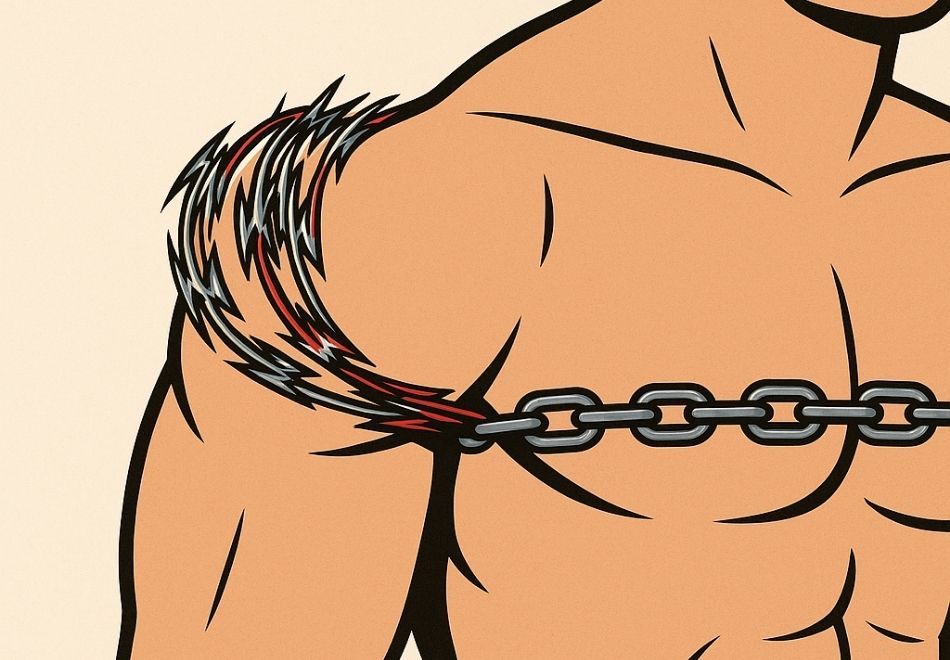
Frozen shoulder syndrome has two main symptoms in particular: shoulder pain and restricted shoulder movement:
- Shoulder Pain: It presents as progressively worsening shoulder and arm pain that wakes the patient from sleep at night. The pain is most often at the front and side of the shoulder. Patients also complain that they cannot lie down and sleep on the frozen shoulder. Over time, as the pain increases, they become unable to perform routine daily activities such as brushing their teeth, shaving, or combing their hair.
- Restricted Movement: The restriction of movement, which is slight at first, increases over time. When patients try to increase their range of motion, their pain intensifies.
On examination, the way patients describe it in their own words often makes the diagnosis: “I can’t fasten my bra behind my back; my shoulder locks up when I try to put my arm into the second sleeve of a jacket.” The inability to bring the hand to the lower back and behind the back (loss of internal rotation) is one of the earliest and most persistent findings of frozen shoulder.
These symptoms are recognized as serious signs of frozen shoulder. Early diagnosis and treatment are very important for this disease, as they are for every disease. For detailed diagnosis and treatment, you can get in touch with us through our contact channels.
Where Does Frozen Shoulder Pain Radiate?
Frozen shoulder pain is most often felt on the outer-lateral surface of the shoulder and radiates toward the upper arm, that is, toward the deltoid muscle region. The front of the shoulder and the area around the shoulder blade are also frequently painful regions; in some patients the pain is described as spreading toward the neck and armpit, and in others as a diffuse ache extending down to the elbow. Its character is usually dull and aching; it sharpens with sudden or forced movements of the arm.
One of the most distinctive features is night pain. One of the sentences patients most often say on examination is this: “When I turn onto that shoulder at night, I wake up from the pain.” Being unable to lie on the affected side both disrupts sleep quality and feeds the vicious cycle by lowering the pain threshold during the day.
Here I would also like to correct a misconception: as a rule, frozen shoulder pain does not descend below the elbow. If the pain spreads not to the front of the arm but below the elbow, to the hand and fingers, and is accompanied by numbness or tingling, the source may be the neck (cervical disc) rather than the shoulder capsule. Because these two conditions can also occur together, we make the distinction on examination, together with imaging when necessary.
The Stages of Frozen Shoulder:
Frozen shoulder has three stages; as the stages progress, the course of pain and restricted movement changes. Which stage you are in also determines which treatment will come to the fore:
| Stage | Duration | Pain status | Restricted movement |
|---|---|---|---|
| 1. Freezing | 6 weeks – 9 months | Severe and increasing; night pain frequent | Gradually increases, movement decreases as the capsule contracts |
| 2. Frozen | 4 – 12 months | Settles gradually, may ease | Marked and persistent; the shoulder feels “frozen” |
| 3. Thawing | 6 – 36 months | Gradually decreases | Movement slowly returns; some restriction may remain |
Assessing which stage your condition is in, together with an examination and imaging when necessary, is important both for starting treatment at the right step and for setting the right expectations.
How Is Frozen Shoulder Diagnosed?
Because pain and restricted movement are also seen in many shoulder conditions, a frozen shoulder diagnosis is made only after a careful history and examination. Frozen shoulder can be overlooked especially in stage 1, that is, in the early period.
An experienced shoulder surgeon can recognize frozen shoulder even in its early stages. However, for the differential diagnosis of frozen shoulder, radiological imaging methods such as X-ray and MRI are used. The diagnosis is fundamentally clinical; MRI is used to rule out conditions that cause similar complaints, such as tears and degeneration — an MRI report is a piece of information, not a verdict on its own.
Here I especially want to emphasize the value of early diagnosis, because the most valuable thing lost in frozen shoulder is time. A frozen shoulder caught while movement is only just beginning to be restricted in the earliest phase, before it becomes pronounced, often responds dramatically to a very simple treatment: a single intra-articular injection performed under ultrasound guidance, together with an accompanying suprascapular nerve block, followed by short-term physical therapy (about 4–5 sessions), can return the shoulder completely to normal. When the same condition is caught months later, after the capsule has thickened and the freezing has set in, treatment becomes much longer and more laborious. That is why not postponing the stiffness in your shoulder with the thought that “it will pass on its own” can fundamentally change your course.
How Is Frozen Shoulder Syndrome Distinguished from a Rotator Cuff Tear?
Frozen shoulder and a rotator cuff tear are often confused because both cause shoulder pain; however, the fundamental distinction lies in the nature of the movement. In frozen shoulder, both the movements the person performs themselves (active) and those the doctor performs from the outside during examination (passive) are restricted. In a rotator cuff tear, the person struggles to raise their arm, but the doctor can usually move the arm passively with greater ease. In the clinic, I look at this difference in passive movement as the first distinguishing clue.
| Feature | Frozen Shoulder | Rotator Cuff Tear |
|---|---|---|
| Passive movement (when the doctor moves it) | Markedly restricted | Mostly preserved |
| Typical complaint | Stiffness in every direction, a “frozen shoulder” feeling | Weakness in raising the arm |
| Night pain | Frequent and marked | Can be frequent |
| Onset | Insidious, progresses slowly | Sometimes after a sudden strain/trauma |
The definitive distinction rests not only on the history but on physical examination findings and, when necessary, on imaging such as MRI. Because the two conditions can also occur together, I prefer to make the correct distinction during examination. For more information on the subject, you can also review the Rotator Cuff Tear Surgery page.
Caution: The MRI May Say “Tear,” But the Problem May Be Frozen Shoulder
I explain this distinction not as a mere academic detail, but to prevent one of the most common mistakes in orthopedics. Let me give an example of a typical patient who comes to the clinic: a woman in her 50s, active, in the perimenopausal period. She slightly injures her shoulder while lifting a suitcase onto the top shelf; it hurts, but she pays no attention to it, applies ice, and lets it pass. Two months later she can’t raise her arm enough to comb her hair and wakes up at night in pain. An MRI is taken and the report reads “partial rotator cuff tear.” Surgery aimed at the tear is recommended; but three months after the surgery the shoulder is far worse than before, barely moving at all.
What happened here? That patient actually had a frozen shoulder that had silently begun before the surgery. The tear on the MRI was an incidental finding — in the shoulder MRIs of active individuals over 40, findings such as tears, wear, or bursitis that are “appropriate for their age” are common and often are not the real cause of the pain. The surgical trauma added on top of an incubating frozen shoulder, and the immobility that follows, is like pouring gasoline on a fire that is already burning. The condition worsens not because the surgery was done poorly, but because the real problem is inflammatory, not structural.
This is precisely why I repeat here the principle I always state: an MRI report is a piece of information, not a verdict. Another critical point is this: frozen shoulder can present in the early stage, before stiffness has set in, with only severe pain; during this period range of motion may still appear normal. That is why a single examination may not be enough for shoulder pain that starts suddenly, worsens at night, and progressively restricts movement — serial examination (reassessment at intervals of a few weeks) is essential. Because the movement that appears normal today may begin to be restricted a few weeks later, and that is when we make the actual diagnosis. Especially in a perimenopausal woman or a diabetic patient, if there is shoulder pain that begins without trauma and worsens at night, one should consider the possibility of frozen shoulder first, even if there is a finding on the MRI.
How Long Does Frozen Shoulder Take to Heal?
When left untreated, the recovery time for frozen shoulder is between 1.5 and 3 years. The recovery process requires considerable patience. The first phase aims at pain management, and afterward at increasing mobility. With an injection performed at the right time followed by regular physical therapy, this period can be shortened to 6–12 months in most patients.
The Role of Medication and Pain Management in Frozen Shoulder
Medication is a “bridge” in frozen shoulder: its purpose is not to cure the disease, but to bring pain down to a manageable level, thereby preserving sleep and making participation in physical therapy possible. I want to state this clearly, because the most common disappointment I see in the clinic is the patient who comes in after using painkillers for months, saying “it didn’t go away”: painkillers have no effect on increasing shoulder range of motion.
- Painkillers and anti-inflammatories: As a first step, paracetamol or, under a doctor’s supervision, anti-inflammatory (non-steroidal anti-inflammatory) drugs are usually used. Bringing night pain under control, especially in stage 1, both preserves the sleep pattern and makes participation in exercise easier. In people with stomach, kidney, or blood pressure problems, these drugs must be used under a physician’s supervision; long-term self-medication is not appropriate.
- Oral cortisone: In selected patients with very severe pain, short-term oral cortisone may come into consideration; however, its effect is temporary and, because of its side-effect profile, it is not a routine option. At this point, rather than giving the medication to the whole body, we prefer to deliver it directly to the problem: an ultrasound-guided intra-articular cortisone injection provides much more effective pain control with a much lower total dose. Here, timing is everything: current research shows that the injection exerts its true power in the first 1–2 months, that is, before the inflammation turns into permanent scar tissue. While an injection given in this early window can shorten the process dramatically, once months have passed and the capsule has thickened, cortisone provides only temporary relief; it cannot reverse the established contracture. This is exactly where the “let’s wait a bit and see if it passes” approach does the most harm.
- Herbal products and creams: There is no herbal product shown to treat frozen shoulder; some products may interact with the medications you are taking. A temporary feeling of relief does not resolve the contracture in the capsule.
In short, medication is the supporting player in the treatment plan. The real playmakers are the ultrasound-guided injections that stop the pain at its source and the physical therapy that restores movement. Medication’s job is to prepare the pain-free ground on which these two can work.
How Is Frozen Shoulder Treated?
The main goals in frozen shoulder treatment are to reduce pain and restore shoulder range of motion. The treatment to be applied is shaped according to the stage of the disease. As a first step, non-surgical methods are usually preferred. Foremost among these are ultrasound-guided injections and physical therapy. In resistant cases, surgery may rarely be required. Our treatment ladder progresses as follows:
- Non-surgical treatment (the preferred approach): pain control and restoring movement are targeted
- Injection: ultrasound-guided suprascapular nerve block and intra-articular applications
- Hydrodilatation: ultrasound-guided expansion of the capsule with fluid
- Physical therapy: a stretching and manual therapy program planned under the guidance of a physical therapist
- Physical therapy: a stretching and manual therapy program planned under the guidance of a physical therapist
- Arthroscopy: arthroscopic release surgery in advanced cases that do not respond to other methods
There is one step we have deliberately left off this ladder: manipulation under general anesthesia. I explain the reason separately below.
Suprascapular Nerve Block and Intra-Articular Injections
One of the most effective treatment approaches in frozen shoulder is the ultrasound-guided suprascapular nerve block combined with cortisone or Sanakin PRP injections administered into the shoulder joint. These injections rapidly reduce pain, allowing the capsule tissue to soften, and prepare a suitable foundation for physical therapy aimed at eliminating restricted movement. You can click here to learn more about the suprascapular nerve block.
These treatments are particularly rewarding in the early stage of the disease. With physical therapy started 1–2 days after the injection, frozen shoulder can be brought under control before it progresses. In more advanced stages, more than one injection may be needed to obtain a response to treatment. Performing the injection under ultrasound guidance is not a preference here but a standard: we work by seeing that the needle reaches inside the capsule with millimetric accuracy; blindly performed injections can both miss the target and damage the joint.
Hydrodilatation (Capsule Expansion)
Hydrodilatation is the controlled expansion of the contracted capsule with fluid pressure, by injecting sterile saline together with a local anesthetic and, when necessary, cortisone into the joint capsule under ultrasound guidance. Recall the volume loss I described above: reopening a capsule that has shrunk to as little as 5–6 ml with fluid is like stretching the walls of a shrinking room from the inside. It is a valuable intermediate step, especially in the frozen stage, in patients whose movement is markedly restricted but for whom surgery is not being considered. The procedure is performed in outpatient conditions, under ultrasound guidance, within minutes, and is immediately supported with physical therapy afterward.
Physical Therapy and Manual Therapy
Physical therapy is at least as important as injections in frozen shoulder treatment. The treatment process must always be carried out under the guidance of a physical therapist experienced in this area. Stretching exercises specifically planned for frozen shoulder and manual therapy applications, in particular, restore range of motion by increasing the flexibility of the joint capsule. Applications should be performed within pain-free limits.
However, the most critical point in physical therapy is what is done at which stage. Recall the mechanism I mentioned above in the “What Causes It?” section: in the early, inflamed period, scar-producing cells are sensitive to mechanical stress; stretching the shoulder aggressively during this period can worsen the condition by increasing inflammation and scar tissue. Patients who say “I started physical therapy early but my pain increased” are actually right — what is wrong is not the physical therapy, but its timing and dose. That is why, during the painful period, only gentle movements within the pain limit are performed; the actual stretching and mobilization come into play in the frozen stage, after the inflammation has settled (or been suppressed with an injection).
When this principle is followed, the positive effects of physical therapy are seen at all stages. Starting it without wasting time after injection treatments significantly increases treatment success. Large-scale randomized trials also support this approach: the outcomes of structured physical therapy programs at the end of one year have been found to be similar to those of manipulation and arthroscopic release surgery. In other words, properly conducted non-surgical treatment reaches the same point as surgery in most patients, with less risk.
Manipulation Under General Anesthesia: Why Don’t We Prefer It?
A method frequently resorted to in the past for frozen shoulder is manipulation under general anesthesia: after the patient is put to sleep in the operating room, the shoulder is forcibly moved from the outside, “tearing” and thereby releasing the contracted capsule. Although it may sound like a practical solution, we do not routinely prefer this method in our own practice.
The fundamental reason is this: when we compare patients who undergo manipulation with their pre-procedure condition, we often see that the restricted movement persists. In other words, the range gained through forced movement under anesthesia is not permanent; the capsule can quickly tend to contract again, and the patient does not obtain the expected lasting gain. In addition, there is a risk of damage to cartilage, ligament, and even bone tissue during uncontrolled forcing.
In our approach, the decisive factor is stopping the pain at its source and preparing a pain-free foundation for physical therapy. Especially once pain is brought under control with an ultrasound-guided suprascapular nerve block, the patient can begin physical therapy early and effectively; thus, permanent recovery can be achieved with non-surgical methods and, moreover, with less risk. In short, well-timed injection and pain-free physical therapy more than fill the gap left by manipulation.
If your shoulder pain is disrupting your sleep at night and your arm no longer moves as it used to, don’t wait. Early intervention in frozen shoulder can reduce the process from years to months. For an examination and treatment plan, you can message us on WhatsApp or request an appointment through our contact page. Take the first step today toward a pain-free and active life.
Frozen Shoulder Exercises
⚠️ Be sure to read this before exercising — “good pain” and real pain are not the same thing. To stretch the capsule, you need to feel a slight, “good” tension at the end of the stretch and gently push the shoulder at that point; a stretch that is never challenging does not work. But the boundary is clear: the sensation we are after is a pleasant tension, not pain. Stop when sharp, stabbing pain, or pain that makes you flinch, arrives. We especially never want this: pain that keeps you awake the evening after the exercise, or pain that requires you to take a painkiller. Such pain is a sign not that you have “torn” the adhesion, but that you have irritated the shoulder and increased the inflammation — and this does not speed up recovery, it delays it by months. In short: push to tension, never to pain.
Exercises play a key role in frozen shoulder treatment; they restore the shoulder’s flexibility and range of motion. However, there is no single list called “the frozen shoulder exercise” — the right exercise varies according to your shoulder’s current level of irritability. Aggressive stretching performed at the wrong time worsens the condition rather than improving it. The advice to “force through the pain to tear the adhesions” is wrong and costs people months.
In this section, I center on two families of movements that are truly specific to frozen shoulder: table slides and capsule stretches. Setting aside general warm-up movements such as pendulums or finger-walking up the wall, and focusing on these core exercises that open the capsule in the right directions, is the part of the home program that actually works.
1) Table Slide (Forward and to the Side)
The table slide is one of the safest movements for the early and middle period of frozen shoulder, because the table bears the weight of the arm and you create distance using only your torso. This way the shoulder opens passively, without contracting its own muscles. We work in two directions:
- Forward slide (flexion): Sit on a chair in front of a smooth table. With your good hand, place the affected arm on the table, palm facing down. Now, sliding your hand forward along the table over a cloth or small towel, lean your torso slightly forward from the hips. As the arm slides forward, you will feel tension at the front and side of your shoulder. Stop at the first noticeable point of tension, hold for 5–10 seconds (up to 20–30 seconds if the muscle is very tight), then return to the start. Twice a day, 10 repetitions each.
- Side slide (abduction): In the same seated position, this time slide your hand out to the side on the table (away from your body) and bring it back. As you open to the side, you can increase the tension by gently leaning your torso in that direction too. Again, hold for 5–10 seconds at the first point of tension. Twice a day, 10 repetitions each.
Patients who wish can also work the 45-degree angle between these two (the diagonal direction, between forward and to the side). The most valuable aspect of the table slide is that it keeps the shoulder safely mobile without leaving it “forgotten,” even in the painful early period.
2) Capsule Stretches
In frozen shoulder, the structure that contracts is the joint capsule, and different regions of the capsule restrict different movements. That is why a single stretch is not enough; a stretching set that targets the front, back, and lower regions of the capsule separately is needed. The following are the stretches that come into play once the shoulder irritation begins to settle (that is, after the initial severe pain has passed):
- Cross-body stretch (posterior capsule): The region most frequently restricted in frozen shoulder is the posterior capsule. Bring the affected arm straight across the front of your chest toward the opposite shoulder; with your good hand, gently support it above the elbow and draw it toward your body. Bring it until you feel tension at the back of your shoulder, hold for 15–30 seconds, and do 3–5 repetitions.
- External rotation stretch (anterior capsule): Stand in a doorway; bend the elbow of the affected arm to 90 degrees and rest your forearm against the door frame (hands at shoulder level). Now gently turn your torso in the opposite direction so that tension develops at the front of your shoulder. Hold for 15–30 seconds, 3–5 repetitions. This stretch restores the shoulder’s outward-rotation movement (combing your hair, reaching behind you) and is generally one of the stretches that produce the fastest progress.
- Stick/cane-assisted stretch (lower and general capsule): Lie on your back and hold a stick (or a broom handle) with both hands; let your good arm push the affected arm up over your head. Hold for 15–30 seconds at the point where you feel tension in the shoulder. Because the good side bears the weight of the arm, this stretch is more controlled than one performed while standing.
The general pattern for a stretching program is as follows: hold each stretch for 15–30 seconds, do 2–4 repetitions, and perform them 2–3 times a day in short sessions totaling 5–15 minutes. Rather than a single long session, short and frequent stretches spread throughout the day are more effective.
The More Painful Your Shoulder, the Gentler You Should Be
The only measure that determines how hard each stretch should be pushed is your shoulder’s level of irritation that day. Think of it this way: if pain is present even at rest, or arises at the very start of a movement (high irritability), only very gentle movements at the pain-free boundary should be performed — the table slide is the main movement of this period. If pain comes only at the end of the movement (moderate-to-low irritability), you can gently load toward the end range in the stretches. In the thawing period, as movement returns, strengthening with a resistance band for external-internal rotation and around the shoulder blade is added, this time to recover the lost muscle strength.
The movements and durations above are general patterns widely used in international physical therapy protocols; however, the set, dose, and timing suitable for your shoulder must be determined on an individual basis. You should plan which level of irritability you are at and the program suited to you together with your doctor and physical therapist — because the same movement can be medicine in one period and a burden in another.
In Which Cases Is Frozen Shoulder Surgery Performed?
When non-surgical methods do not work, frozen shoulder surgery is planned. In practice, this means that serious restricted movement and sleep-disrupting pain persist despite injections and physical therapy maintained regularly for about 6 months. However, especially with ultrasound-guided injection treatments, the rate at which frozen shoulder requires surgery is quite low.
Another condition affecting the shoulder joint is shoulder dislocation. You can click the link to learn about the differences between shoulder dislocation and frozen shoulder.

How Is Frozen Shoulder Surgery Performed?
Frozen shoulder surgery is performed arthroscopically, that is, by shoulder arthroscopy. During shoulder arthroscopy, it is carried out through 2–3 small incisions of about 1 cm each at the front and back of the shoulder. The capsular stiffness that restricts shoulder movement is released. If no additional procedure is performed, the operation usually takes 30–60 minutes, and most patients are discharged the same day or the next morning.
To achieve greater joint range of motion, the shoulder is usually moved in a controlled way in the same session to gently release the capsule. In my own practice, I routinely apply one more step: as the operation is finishing, before the patient has woken up, I perform an ultrasound-guided suprascapular nerve block. This way the patient spends the first hours pain-free and we begin rehabilitation without the shadow of pain. A post-operative physical therapy program is always an important part of the treatment.
The Recovery Process After Frozen Shoulder Surgery
In frozen shoulder surgery, the real work begins not on the operating table but afterward. If the range of motion gained through arthroscopic release is not preserved with movement from the first day, the capsule tends to contract again. That is why, in our protocol, the shoulder is not condemned to a sling for weeks; physical therapy begins the day after surgery — indeed, on the same day with passive movements while the block is still in effect.
| Period | What happens? | Goal |
|---|---|---|
| First 24 hours | A pain-free period thanks to the nerve block; passive shoulder movements are started, and most patients are discharged the same day/next morning | To preserve the range of motion gained from the first hour |
| Weeks 1–2 | Daily physical therapy; the sling is used only for comfort, for a short time; return to desk work is usually possible | Transition from passive movement to active-assisted movement |
| Weeks 2–6 | Active range-of-motion exercises; gradual return to driving and light housework | Approaching full active range of motion |
| Weeks 6–12 | Strengthening period: the rotator muscle group and the area around the shoulder blade are worked with bands and light resistance | Regaining muscle strength and endurance |
| Months 3–6 | Gradual return to sport; disciplines involving overhead movement (swimming stroke, racket sports, weights) are added last | Full functional return |
The concern patients most often express before surgery is this: “Will the shoulder freeze again?” When early and regular movement is ensured, this risk is low; re-freezing is seen mostly in cases where post-operative physical therapy is neglected or the shoulder is left immobile out of fear. In patients with diabetes, recovery may progress a little more slowly and a slight restriction of movement may remain; in this group, blood sugar control is an integral part of rehabilitation.
When setting the return timeline for my athlete patients, I also draw on my own training experience: first pain-free daily life, then lower-body-focused conditioning (cycling, walking-running), and overhead loading last. Performing a swimming stroke, hitting a serve, or lifting weights overhead is at the end of the list, not the beginning — athletes who disrupt this order surrender their recovered shoulder to pain once again.
How Can Frozen Shoulder Be Relieved at Home?
Frozen shoulder can be somewhat relieved at home with light movements that do not trigger pain and simple measures that reduce the daily load; however, what is done at home does not replace medical treatment, it only supports the process. A situation I often encounter in the clinic is people forcing their shoulder to overcome the pain, and the condition worsening. In my experience, the real benefit at home comes from staying within the pain limit, without leaving the shoulder completely immobile.
The general headings that may help those relying on home care are as follows:
- Keeping the shoulder gently mobile with soft, pendulum-like movements, without exceeding the pain limit
- Avoiding lying on the affected shoulder; supporting the arm with a pillow while sleeping
- Attempting light stretching after loosening the area with a warm shower or a lukewarm compress
- Performing daily movements such as brushing your teeth and combing your hair slowly and in intervals
- Keeping in mind that smoking and uncontrolled blood sugar can delay recovery
These steps may help reduce pain, but which movement is suitable for you and its dose need to be assessed on examination. When the right program is planned individually, what is done at home genuinely contributes.
Should Heat or Cold Be Applied in Frozen Shoulder?
The general approach in frozen shoulder is heat application to relax joint stiffness and muscle tension; cold, on the other hand, is preferred more for short-term relief during a sudden flare-up or when there is marked swelling. At this point, I warn those who consult me about the following: the heat should not be at a level that burns the skin, but at a lukewarm-comfortable level, and high temperatures in direct contact with the skin should be avoided.
| Application | When to consider it? | Possible benefit |
|---|---|---|
| Heat (lukewarm compress, warm shower) | In periods of stiffness, tightness, and when pre-exercise relaxation is desired | May facilitate movement by relaxing the muscle and capsule |
| Cold (ice pack, with a thin cloth) | When there is suddenly increased pain, after a strain, or in the presence of marked swelling | May help reduce pain and swelling for a short time |
For many people, heat application is more relaxing, but which one suits your condition varies according to your stage and complaint. I prefer to make the definitive decision on examination, by seeing the state of the shoulder.
Is Frozen Shoulder a Chronic Disease?
Frozen shoulder is, in most cases, not a permanent (lifelong) disease but a long process that generally tends toward improvement. Even without treatment, some of the movement gradually returns in most people; but this natural course can take months or even years. In my experience, a significant portion of the cases described as “chronic” are actually those that were not adequately addressed in the early period or in which the shoulder was left immobile out of fear.
- The process generally progresses in phases: the freezing, frozen, and thawing stages
- Metabolic conditions such as diabetes and thyroid disease can prolong the process
- Early diagnosis and the right program can help the process pass more quickly and with less pain
- Even at the end of the thawing stage, a slight restriction of movement may remain in some people
So labeling frozen shoulder as “chronic” is misleading in most people. Assessing how long your condition will last and which stage you are in, together with examination and imaging, is important for setting the right expectations.
Frozen Shoulder Patient Reviews
In accordance with healthcare regulations, we do not include patient testimonials or reviews containing personal praise about treatment outcomes on this page; instead, I share the source that best conveys what it is like to live with frozen shoulder: patients’ own words in the examination room. These statements, which I relay anonymously and without any identifying details, may guide you as you look for an answer to the question “do I have the same thing?”:
- “I can’t fasten my bra behind my back; my hand won’t reach my lower back.” — The inability to bring the hand to the back and lower back (loss of internal rotation) is one of the earliest and most typical complaints of frozen shoulder.
- “When I turn onto that shoulder at night, I wake up from the pain and get up more tired in the mornings.” — Night pain and the inability to lie on the affected side are characteristic findings especially of stage 1.
- “When I reach for the top shelf, my arm stops at a certain point; when I force it, an electric-like pain comes.” — Movement stopping at a certain angle “as if hitting a wall” is a description of capsular restriction.
If one of these sentences sounds familiar, the first step to naming the condition you are experiencing is an examination; because the same complaints can also be seen in different diagnoses such as rotator cuff tear and shoulder impingement. Every patient’s process is unique — we establish the diagnosis and treatment plan together, by assessing your shoulder.
You May Be Interested: Pectoralis Major Tear Surgery
These contents have been prepared in keeping with physicians’ role of informing the public, and are intended to inform patients.
You May Be Interested: Total Shoulder Replacement
Frequently Asked Questions and Answers About Frozen Shoulder
What is frozen shoulder?
Frozen shoulder, medically known as adhesive capsulitis, is a condition characterized by loss of movement, stiffness, and pain in the shoulder joint. It usually develops gradually and becomes more pronounced over time. If left untreated, it can last for months or years.
What causes frozen shoulder?
Although the exact cause of frozen shoulder is not fully known, it is thought to develop fundamentally on a metabolic and hormonal foundation. Diabetes, thyroid diseases, the drop in estrogen at menopause, minor shoulder traumas, and prolonged immobility are the most common triggers. In some patients no clear cause is found; in this group it is thought that the immune system mounts an exaggerated repair response against the capsule tissue.
Who gets frozen shoulder more often?
Frozen shoulder is most common in women aged 40–60; women are affected roughly four times more often than men. Diabetes and thyroid patients, women in the menopausal period, those who have had a shoulder injury or surgery, and stroke and Parkinson’s patients are the main risk groups. What is decisive is often not age, but the accompanying metabolic picture.
Where does frozen shoulder pain radiate?
The pain is most often felt on the outer-lateral surface of the shoulder; it can radiate to the upper arm (the deltoid region) and around the shoulder blade. Pain that descends below the elbow, accompanied by numbness and tingling, may be neck-related and should be evaluated separately.
Does frozen shoulder resolve on its own?
Frozen shoulder tends to improve spontaneously over time, but without treatment this process can take 1–3 years, and most of that time is spent with pain and restriction. With ultrasound-guided injection and physical therapy performed at the right time, especially in the first 1–2 months, this period drops to months in most patients. So although waiting is possible, early treatment is far more comfortable.
How is frozen shoulder diagnosed?
The diagnosis of frozen shoulder is fundamentally clinical; an experienced physician makes it with a careful history and physical examination. The most distinguishing finding is that both active and passive movements are restricted. MRI and X-ray are used not to make the diagnosis, but to rule out conditions that cause similar complaints, such as tears and degeneration. An MRI report is a piece of information, not a verdict on its own.
Which methods are used in frozen shoulder treatment?
Frozen shoulder treatment is largely non-surgical. The main steps: an ultrasound-guided suprascapular nerve block and intra-articular cortisone or Sanakin PRP injections, pain-free physical therapy started immediately afterward, and hydrodilatation to expand the capsule with fluid when needed. Only in resistant cases that do not respond to treatment lasting months does arthroscopic (closed) release surgery come into consideration.
Does frozen shoulder improve with exercise?
Yes, well-timed exercise is one of the most important parts of frozen shoulder treatment. However, timing is critical: aggressive stretching in the early painful period can increase inflammation and worsen the condition, so only gentle movements are performed during this period. As pain settles, capsule stretches come into play. Exercise must always be carried out within the pain limit, under the guidance of an experienced physical therapist.
What are the stages of frozen shoulder?
Frozen shoulder progresses in three stages. The first stage (freezing) is the period dominated by pain, with frequent night pain, and can last from 6 weeks to 9 months. In the second stage (frozen), the pain decreases while restricted movement becomes pronounced. In the third stage (thawing), movement slowly returns. Which stage you are in also determines which treatment will come to the fore.
How long does the pain in frozen shoulder last?
Pain in frozen shoulder varies from a few months to a year, depending on the stage of the disease. The most severe and bothersome period is usually the first (freezing) stage, lasting 6 weeks to 9 months; night pain is especially pronounced during this period. With well-timed injection and physical therapy, the painful period can be markedly shortened.
Which doctor should be consulted for frozen shoulder?
For frozen shoulder, an orthopedics and traumatology specialist should be consulted. A physician experienced in shoulder conditions can recognize frozen shoulder even in the early stage and distinguish it from conditions that cause similar complaints, such as rotator cuff tear and impingement syndrome. During treatment, a physical medicine specialist and a physical therapist also join the team.
Is surgery necessary in frozen shoulder?
Surgery is not required in most frozen shoulder cases. With ultrasound-guided injection treatments and regular physical therapy, the great majority of patients recover without surgery. Surgery comes into consideration only in resistant cases where serious restricted movement and sleep-disrupting pain persist despite treatment maintained for about 6 months, in the form of arthroscopic (closed) release.
What are the symptoms of frozen shoulder?
Frozen shoulder has two fundamental symptoms: progressively increasing shoulder pain that wakes you from sleep at night, and restricted movement that becomes pronounced in every direction. Over time, patients struggle with daily movements such as combing their hair, brushing their teeth, putting on a jacket, or bringing the hand to the back/lower back. The inability to lie on the affected shoulder is also a typical complaint.
Can frozen shoulder develop in healthy individuals too?
Yes, frozen shoulder can develop even in seemingly completely healthy individuals; however, it is more common in those with risk factors. Current research shows that subtle metabolic changes that can appear in middle age even in slim and active people (for example, unrecognized insulin resistance) can set the stage. In addition, the night pain of frozen shoulder can make the process more difficult in people whose sleep pattern is already disrupted, by increasing pain sensitivity.
Can frozen shoulder get worse while exercising?
The right exercises support recovery, but forceful stretching done at the wrong time can worsen frozen shoulder. The reason is that during the inflamed period the capsule tissue is sensitive to mechanical stress; forcing increases the inflammation. The sensation you are after should be a pleasant tension, not pain. Pain that disrupts your sleep the evening after exercise is a sign that the dose was too high.
In which positions does frozen shoulder cause more pain?
Frozen shoulder pain markedly increases with movements such as raising the arm, reaching behind or to the side, and getting dressed. Lying on the affected shoulder also intensifies the pain at night and disrupts sleep. Bringing the hand to the back or lower back (internal rotation) is one of the earliest and most persistently restricted movements in frozen shoulder.
Can frozen shoulder be treated without surgery?
Yes, the vast majority of frozen shoulder cases can be treated without surgery. An ultrasound-guided suprascapular nerve block and intra-articular injections stop the pain at its source; pain-free physical therapy started immediately afterward restores range of motion. Large-scale studies show that properly conducted non-surgical treatment gives results similar to surgery at the end of one year.
Can frozen shoulder recur?
Frozen shoulder rarely recurs in the same shoulder. However, in people who have had frozen shoulder in one shoulder, the risk of developing the disease in the other shoulder increases. That is why taking seriously the early signs that appear in the unaffected shoulder (especially night pain and stiffness) is important for catching the process early. Controlling underlying conditions such as diabetes also reduces the risk of recurrence.
What is the best treatment method for frozen shoulder?
The best treatment for frozen shoulder is determined according to the stage of the disease and the shoulder’s level of irritation; there is no single ‘best method.’ In the early period, ultrasound-guided injections and pain-free physical therapy come to the fore. In our approach, the priority is to stop the pain at its source and prepare a suitable foundation for physical therapy; this way, most patients do not need surgery.
Can frozen shoulder result from a shoulder injury?
Yes, frozen shoulder can develop after a simple shoulder injury. In fact, most patients do not recall any trauma at first; on detailed questioning, a minor strain that was dismissed weeks earlier comes to light. Especially in people with a suitable metabolic background, this minor trauma can turn first into inflammation in the capsule and then into an insidiously progressing frozen shoulder.
How is frozen shoulder distinguished from other shoulder diseases?
The fundamental finding that distinguishes frozen shoulder from other shoulder diseases is that both active and passive movements are restricted. For example, in a rotator cuff tear the person struggles to raise their arm, but the doctor can usually move the arm passively with greater ease; in frozen shoulder, however, this passive movement is also markedly restricted. The definitive distinction is made by examination and, when necessary, by MRI.
What happens if frozen shoulder is left untreated?
If frozen shoulder is left untreated, the process can drag on for years, and throughout this time there is pain, sleep disturbance, and serious restriction in daily activities. Although some of the movement gradually returns in most people, a degree of permanent stiffness may remain, especially in diabetes patients. Early treatment both shortens this period and reduces the risk of permanent restriction.
What can be done to reduce pain during frozen shoulder?
The first step to reducing pain in frozen shoulder is painkillers and anti-inflammatories under a doctor’s supervision, heat application, and gentle movements within the pain limit. However, the truly effective method is the ultrasound-guided intra-articular cortisone injection and suprascapular nerve block; these stop the pain at its source, preparing a pain-free foundation suitable for physical therapy.
In how many days does frozen shoulder heal?
Frozen shoulder is not a disease that heals within days. The natural course without treatment can last 1–3 years. With ultrasound-guided injection and regular physical therapy started at the right time, especially in the early stage, this period drops to 6–12 months in most patients. Recovery requires patience; first the pain is brought under control, then range of motion is gradually restored.
Is frozen shoulder treatment painful?
The main purpose of frozen shoulder treatment is to reduce pain. Ultrasound-guided injections are performed under local anesthesia and quickly relieve pain. Physical therapy is always applied within the pain limit; a slight, pleasant tension during stretching is acceptable, but sharp pain is not wanted. Pain that disrupts your sleep after exercise indicates that the dose was too high.
Should heat or cold be applied for frozen shoulder treatment?
In frozen shoulder, lukewarm-comfortable heat application (a warm shower or a lukewarm compress) is usually preferred to relax stiffness and muscle tension. Cold application is used more for short-term relief during a sudden flare-up or a period of marked swelling. Which one suits your condition varies according to your stage; it is healthier to assess the right choice on examination.
Can frozen shoulder be relieved at home?
Frozen shoulder can be somewhat relieved at home with measures such as light movements that do not exceed the pain limit, not leaving the shoulder immobile, not lying on the affected side, and lukewarm application. These steps may help reduce pain, but they do not replace medical treatment. It is best to plan which movement is suitable for you on examination.
Is frozen shoulder a chronic disease?
In most people, frozen shoulder is not a permanent, lifelong disease but a long process that generally tends toward improvement. Even without treatment, some of the movement can gradually return; but this process can take months or years. Early diagnosis and the right program can help the process pass more quickly and with less pain.
Is there a place for herbal treatment in frozen shoulder?
There is no reliable evidence showing that herbal products treat the disease in frozen shoulder. Some people may feel temporary relief, but these do not replace methods such as injection and physical therapy; some products may interact with existing medications. If you are considering an herbal application, it is important to consult your doctor before using it.
How long does physical therapy for frozen shoulder take?
The duration of physical therapy varies from person to person and according to the stage of frozen shoulder; it can take a few weeks in some people and a few months in others. A program started early after injection and maintained regularly can increase treatment success. The exact duration is planned according to the state of the shoulder on examination and its response to treatment.
How long does frozen shoulder surgery take?
Frozen shoulder surgery is performed by the arthroscopic (closed) method and, if there is no additional procedure, is usually an operation lasting 30–60 minutes. Surgery is not needed in most people; with ultrasound-guided injection treatments, the need for surgery is quite low. The exact duration and plan are determined on an individual basis after examination.
When can one return to work and sport after frozen shoulder surgery?
Return to desk work is usually possible within 1–2 weeks; driving and light tasks are added gradually between weeks 2 and 6. Return to sport is planned between 3 and 6 months, and overhead movements such as the swimming stroke are added to the program last. The timeline is personalized according to progress in physical therapy.
In which cases can frozen shoulder become permanent?
A longer duration of restricted movement in frozen shoulder can be set up by not starting treatment early, leaving the shoulder completely immobile out of fear of pain, and metabolic conditions such as uncontrolled diabetes. At the end of the thawing stage, a slight restriction may remain in some people. Early diagnosis and an appropriate program can help reduce this risk; it is important to assess your condition on examination.
How much does frozen shoulder treatment cost?
The cost of treatment varies according to the method to be applied (injection, hydrodilatation, duration of physical therapy, or surgery), the stage of the disease, and your institution’s coverage. In accordance with healthcare regulations, price information is not shared on this page; your individualized treatment plan and cost information are provided after examination.
Conclusion
Frozen shoulder is a process in which the joint volume decreases as the shoulder capsule becomes inflamed and contracts, running its course with pain and restricted movement in every direction. It can be long, but it is not hopeless: the vast majority of patients recover without needing surgery, through ultrasound-guided injections (suprascapular nerve block, intra-articular cortisone or Sanakin PRP, and hydrodilatation when needed) and pain-free physical therapy started immediately afterward. Surgery is a safe last resort for resistant cases where these steps fall short, and its success is preserved with rehabilitation that begins the next day.
Finally, I would like to recall the framework we established at the very start: frozen shoulder is rarely “just bad luck.” It is most often an underlying metabolic or hormonal condition becoming visible in the shoulder. That is why, when treating it, we look not only at the shoulder but also at the ground that feeds the condition: blood sugar control in diabetes, hormonal assessment in perimenopause, and correction of thyroid imbalance are integral parts of recovery. The shoulder is telling you something — listening to it is valuable both for this process and for protecting your general health.
Early diagnosis, correct staging, and not leaving the shoulder immobile out of fear — these are the three keys that determine whether the process lasts months rather than years. If the stiffness and night pain in your shoulder have begun to run your life, waiting does not work in the condition’s favor.
Reclaim your freedom of movement. To arrange an examination and an individualized treatment plan for your frozen shoulder complaints, you can reach us on our WhatsApp line (0532 255 10 51) or book an appointment through our contact page. The first step to a pain-free and active life begins with a proper examination.
Thank you for reading our article. If you wish, you can take a general look at the homepage via the utkuerdemozer.com link.