Hip fracture in the elderly occurs when the upper part of the thigh bone (femur) breaks. It is one of the most common fractures in older adults and is associated with serious, potentially life-threatening complications. As people age, bones become weaker due to osteoporosis, and additional factors such as multiple medication use, poor vision, and balance problems increase the risk of falls. These issues make elderly individuals more prone to hip fractures.
Add us as a preferred source on GoogleSee our new articles higher in your searchesAddHip fractures almost always require surgery. Depending on the type of fracture, the treatment involves either internal fixation or hip replacement surgery. With appropriate rehabilitation after surgery, most patients can regain mobility and independence in daily activities.
To reduce the risk of hip fracture in older adults, it is important to maintain bone density, prevent falls, and attend regular medical check-ups.
What Is a Hip Fracture?
A hip fracture is a break in the upper part of the femur (thigh bone). In older adults, it usually occurs after a simple fall. Although hip fractures can also occur in younger individuals, they are typically the result of high-energy trauma, such as traffic accidents or falls from height.
The main reason hip fractures are so common in the elderly is osteoporosis. When deciding on the type of surgery, the exact location of the fracture in the femur is carefully evaluated.
Causes of Hip Fracture in the Elderly
In the elderly, hip fractures often result from simple falls—while standing, walking, or even slipping from a chair.
Risk Factors for Hip Fractures
Several factors increase the likelihood of hip fractures in older adults:
- Age and Gender: Bone density and muscle mass decrease with age. Vision and balance problems further increase the risk of falling. Hip fractures are about three times more common in women than men. The drop in estrogen levels during menopause accelerates bone loss in women. However, men can also experience dangerously low bone density.
- Medical Conditions:
- Osteoporosis: Weakens bones, making them more likely to fracture.
- Thyroid Disorders: Overactive thyroid can cause bone fragility.
- Intestinal Diseases: Conditions that reduce calcium and vitamin D absorption weaken bones.
- Neurological Problems: Parkinson’s disease, stroke, and peripheral neuropathy increase the risk of falls. Low blood pressure or low blood sugar may also contribute.
- Osteoporosis: Weakens bones, making them more likely to fracture.
- Medications: Long-term corticosteroid use weakens bones. Certain drugs or combinations, especially sleeping pills, antipsychotics, and sedatives, can cause dizziness, increasing the likelihood of falls.
- Nutritional Deficiencies: Poor calcium and vitamin D intake in youth leads to reduced bone mass later in life. Adequate calcium and vitamin D remain essential in old age. Being underweight also raises the risk of bone loss.
- Lifestyle Choices: Lack of regular exercise weakens both bones and muscles, making falls and fractures more likely. Smoking and alcohol consumption interfere with bone metabolism and accelerate bone loss.
Symptoms of Hip Fracture in the Elderly
- Severe hip or groin pain: Pain begins suddenly after a fall and worsens with movement.
- Inability to stand or walk: Even after a minor fall, patients are unable to bear weight or stand up. Sitting up is also painful.
- Bruising and swelling: Discoloration may appear around the hip.
- Leg shortening: The affected leg appears shorter, which is corrected after surgery.
- External rotation of the leg: The injured leg typically turns outward.
How Is a Hip Fracture Diagnosed?
Patients with suspected hip fractures are usually brought to the emergency department by ambulance. A history of falling combined with symptoms such as hip pain and leg shortening strongly suggests a fracture.
Diagnosis is confirmed with hip X-rays. In some cases, a CT scan is needed for surgical planning.
If physical examination raises suspicion but X-rays appear normal, a hidden (occult) fracture may be suspected. This can be confirmed with hip MRI.
Types of Hip Fractures in the Elderly
Most hip fractures in the elderly occur in two main regions of the femur:
- Femoral Neck Fracture: Located just below the femoral head (the ball-shaped structure that forms the hip joint).
- Intertrochanteric Fracture: Located slightly lower, where the upper femur flares outward.
Both types require different surgical approaches.
Risks and Complications of Hip Fractures
Hip fractures can leave patients dependent on others for care. Although many complications can be minimized with successful surgery and rehabilitation, the risks cannot be completely eliminated:
- Blood Clots (Deep Vein Thrombosis): Clots form in the legs and may travel to the lungs (pulmonary embolism). Blood thinners reduce this risk.
- Pneumonia: Common in patients who remain bedridden for long periods.
- Muscle Wasting: Develops in patients who do not undergo adequate rehabilitation after surgery.
- Pressure Sores (Bedsores): Caused by prolonged immobility.
- Nonunion (Failure to Heal): Some fractures repaired with plates, screws, or nails may fail to heal properly.
How Is Hip Fracture Treated? Hip Fracture Surgery
Treatment of hip fractures in the elderly is almost always surgical. Postoperative care must include rehabilitation, pain management, and prevention of blood clots to ensure optimal recovery.
Hip Fracture Surgery in the Elderly
The choice of surgical method depends on several factors: the location of the fracture, the degree of displacement, the patient’s age, and the presence of other medical conditions.
Types of Hip Fracture Surgery:
- Internal Fixation (Repair): The fracture is realigned and stabilized with plates, screws, or intramedullary nails.
- Total Hip Replacement (Total Hip Arthroplasty): Both the femoral head and the hip socket (acetabulum) are replaced with prosthetic implants. This option is commonly used in displaced femoral neck fractures.
- Partial Hip Replacement (Hemiarthroplasty): In selected cases, only the femoral head is replaced, while the acetabulum is left intact. This is also performed in femoral neck fractures in elderly patients.
Non-Surgical Treatment of Hip Fractures in the Elderly
Nearly all hip fractures in older adults require surgery. Non-surgical treatment is rarely considered, as prolonged immobility significantly increases the risk of life-threatening complications such as blood clots, pneumonia, pressure sores, and muscle wasting. Only in very rare cases—when the fracture is non-displaced and unlikely to shift—may bed rest be recommended.
What Happens If a Hip Fracture Is Not Operated?
When hip fractures in the elderly are not surgically treated, multiple severe complications can occur:
- Deep Vein Thrombosis (DVT): Immobility increases the risk of blood clots in the legs, which may travel to the lungs and cause a life-threatening pulmonary embolism.
- Severe Mobility Limitation: An untreated fracture prevents normal movement, leading to prolonged immobility in bed.
- Pressure Ulcers (Bedsores): Long-term bed rest can cause painful skin sores that are prone to infection and difficult to heal.
- Pneumonia: Reduced lung capacity due to immobility increases the risk of pneumonia.
- Muscle and Bone Loss: Lack of movement accelerates muscle atrophy and further bone density loss.
- Depression and Anxiety: Chronic pain and loss of independence negatively affect mental health.
- Loss of Independence: Without surgery, many patients lose their ability to live independently and may require continuous care.
- Increased Mortality: Due to these complications, untreated hip fractures carry a high risk of death, especially in frail elderly patients with pre-existing health conditions.
👉 For these reasons, early surgical treatment of hip fractures in the elderly is strongly recommended. Surgery not only restores mobility but also reduces complications and significantly improves quality of life.
Postoperative Care After Hip Fracture Surgery
The most effective rehabilitation after hip fracture surgery is early mobilization and walking. However, not every patient is able to walk immediately after surgery.
After hip replacement or internal fixation with screws and nails, patients are usually encouraged to walk as soon as possible. Still, in some elderly patients, additional health problems may negatively affect rehabilitation and recovery.
In the early stages of physiotherapy, the focus is on range of motion exercises and muscle strengthening. Depending on the type of surgery, the presence of other medical conditions, and whether home assistance is available, some patients may require transfer to a long-term care facility.
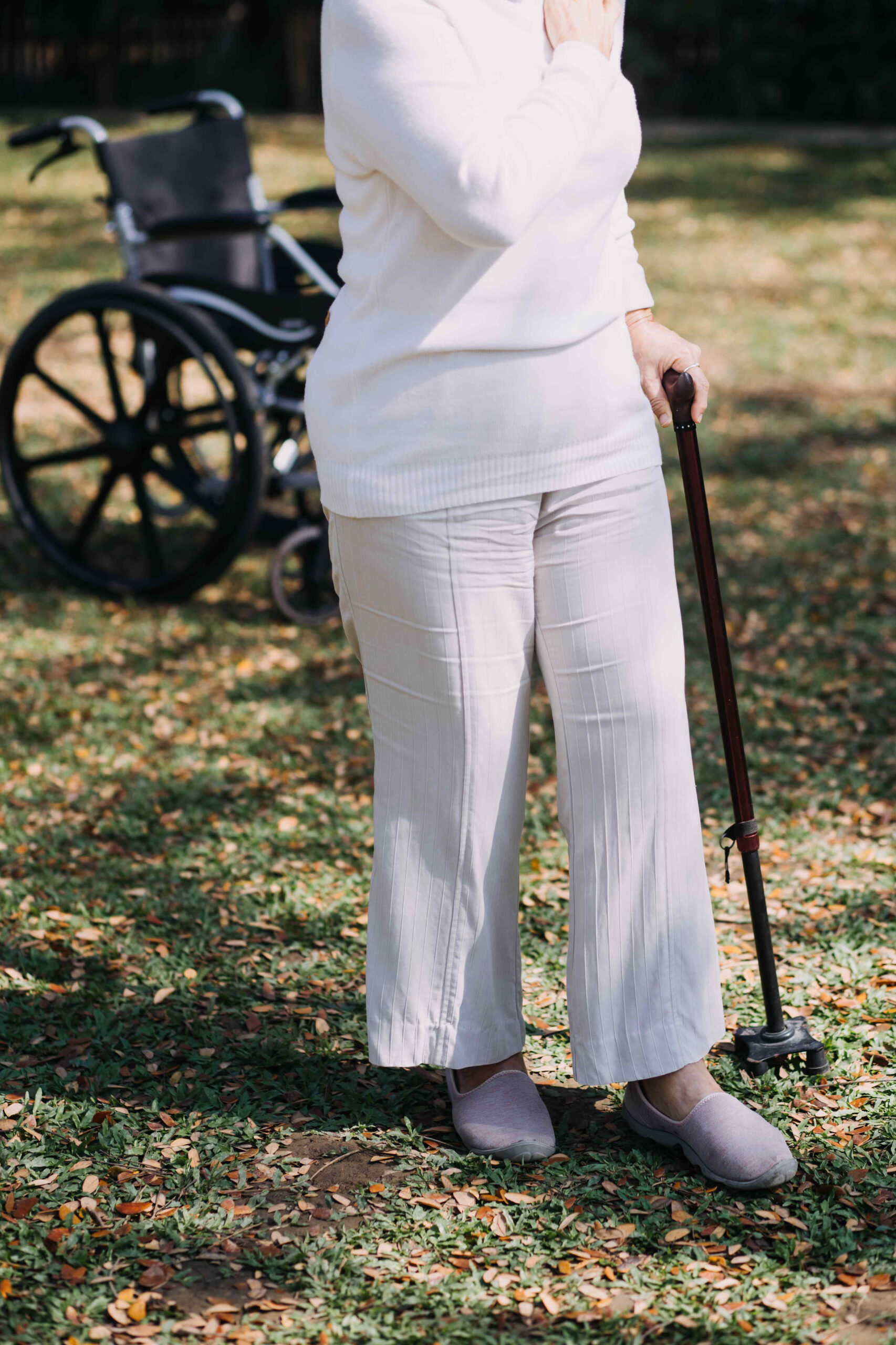
In rehabilitation centers or at home, a physiotherapist teaches techniques to improve independence in daily activities such as using the toilet, bathing, dressing, and cooking. The therapist also assesses the need for assistive devices such as a walker or wheelchair, helping patients regain both mobility and independence.
Conclusion
Hip fracture in the elderly occurs when the upper part of the femur breaks, and it is associated with serious complications. The risk increases with osteoporosis, medication use, poor vision, and balance problems.
Hip fractures almost always require surgery—either fracture fixation or hip replacement. With proper rehabilitation after surgery, patients can regain mobility and return to their daily activities.
To reduce the risk of hip fractures, it is essential to maintain bone density, prevent falls, and attend regular medical check-ups.
Common symptoms include severe hip or groin pain, inability to stand after a fall, bruising, and shortening of the leg. Diagnosis is made with X-rays and, in some cases, MRI.
Treatment is surgical, supported by postoperative rehabilitation, pain management, and prevention of blood clots. Without surgery, hip fractures can lead to life-threatening complications.
Postoperative care focuses on physiotherapy and mobilization. Long-term rehabilitation, either at home or in care facilities, with the help of a physiotherapist, ensures patients regain independence.
Thank you for reading. You may visit utkuerdemozer.com for more information and other medical topics.