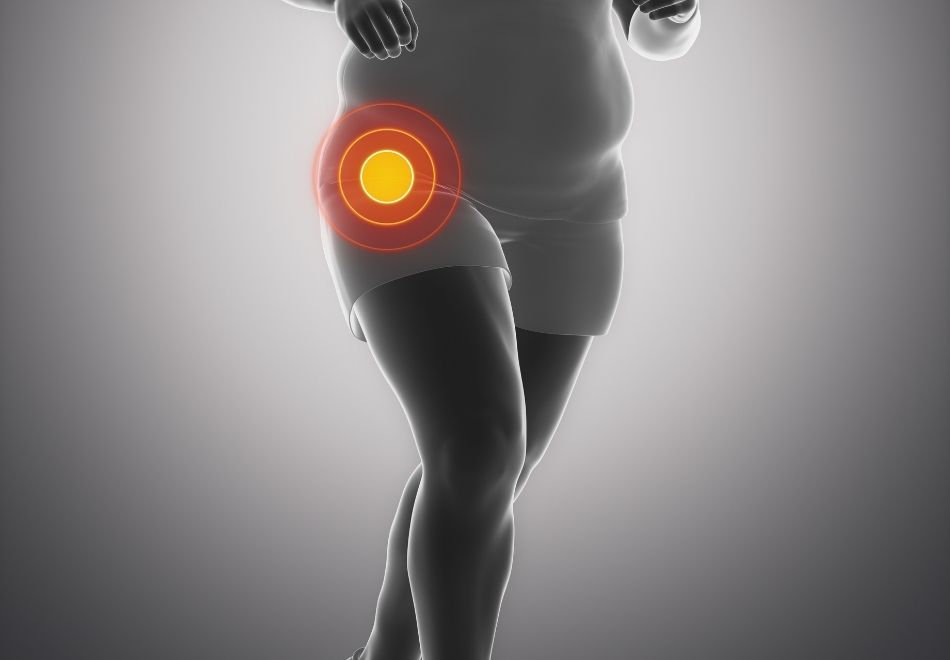
Transient osteoporosis of the hip is a rare but very painful condition. It most commonly affects middle-aged men and women in the last trimester of pregnancy. This condition is characterized by a temporary loss of bone density in the hip joint and usually resolves on its own. However, if not diagnosed and managed properly, it can cause severe hip pain and significant limitation of movement.
Add us as a preferred source on GoogleSee our new articles higher in your searchesAddIf you are experiencing hip pain and suspect transient osteoporosis of the hip, it is essential to consult an orthopedic specialist for an accurate diagnosis and treatment. Op. Dr. Utku Erdem Özer, based in Istanbul, is an experienced orthopedic surgeon specializing in hip conditions and bone health. With the right treatment approach, pain can be reduced, and mobility can be restored quickly. For more detailed information about transient osteoporosis of the hip and treatment options, you can contact Op. Dr. Utku Erdem Özer.
What Is Transient Osteoporosis of the Hip?
Transient osteoporosis of the hip (TOH) is a temporary and reversible loss of bone density in the femoral head within the hip joint. The condition typically presents with sudden-onset hip pain and restricted range of motion. The loss of bone density is usually temporary and, with appropriate treatment, can completely resolve within a few months.
Although this condition is most commonly seen in middle-aged men, it is also frequently observed in women during the last trimester of pregnancy. The exact cause of transient osteoporosis of the hip is still unknown, but mechanical stress, vascular factors, and hormonal changes are thought to play a role.
What Causes Transient Osteoporosis of the Hip?
- Circulatory Disorders: Reduced blood flow to the hip joint may impair the nourishment of bone cells, leading to a temporary loss of bone density.
- Hormonal Changes: Especially in pregnant women, hormonal fluctuations may trigger this condition.
- Trauma or Mechanical Stress: Intense physical activity or repetitive microtrauma can weaken the bone tissue.
- Metabolic Factors: Disorders in calcium and vitamin D metabolism may negatively affect bone health.
Symptoms of Transient Osteoporosis of the Hip
- Sudden Groin Pain: A sharp, deep pain that may persist even at rest.
- Restricted Mobility: A noticeable limitation in hip movements.
- Inability to Bear Weight: Difficulty standing or walking due to pain when placing full weight on the affected leg.
Although the pain originates in the hip joint, it is often felt in the groin area and may radiate to the thigh or lateral hip.
How Is Transient Osteoporosis of the Hip Diagnosed?
Diagnosis relies on clinical evaluation and imaging studies:
- Medical History and Physical Examination: Symptoms such as groin pain, limited hip motion, and inability to bear weight are carefully assessed.
- Magnetic Resonance Imaging (MRI): Considered the gold standard for diagnosis. MRI clearly shows bone marrow edema and decreased bone density. It also helps rule out conditions such as avascular necrosis.
- X-ray: Often normal in early stages. In advanced cases, decreased bone density and mild structural changes may be seen.
- Bone Density Test (Densitometry): May reveal reduced bone mineral density.
- Differential Diagnosis: Avascular necrosis, septic arthritis, and other hip pathologies must be excluded. MRI plays a critical role in this process.
Treatment of Transient Osteoporosis of the Hip
- Rest and Reduced Weight-Bearing: Short periods of rest to protect the hip joint.
- Physical Therapy and Rehabilitation: Customized exercise programs to maintain muscle strength and improve range of motion.
- Pain Relievers and Anti-Inflammatory Medications: To control pain and inflammation.
- Vitamin D and Calcium Supplements: To support bone health.
- Use of Crutches: To decrease stress on the hip joint.
When Is Surgery Needed?
Surgery is rarely required, since most cases heal naturally. However, in severe and persistent cases, core decompression surgery may be performed to relieve pain and promote faster bone healing. This procedure helps reduce pressure inside the bone and improves circulation.
Exercises for Hip Bone Health
Regular exercise supports bone health and helps maintain mobility during recovery. Exercises improve blood circulation, strengthen surrounding muscles, and reduce stress on the joint.
- Bridge Exercise: Lie on your back with knees bent, lift hips upward, hold for 5 seconds, then return.
- Hip Stretch: Sit on a chair, place one ankle over the opposite knee, lean forward until a stretch is felt, hold 10 seconds.
- Side Leg Raise: Lie on your side, lift upper leg upward, hold 2–3 seconds, lower slowly. Repeat 10 times each side.
Frequently Asked Questions
Does transient osteoporosis of the hip cause permanent damage?
No. With proper treatment, transient osteoporosis of the hip usually does not lead to permanent damage. Untreated cases may cause stress fractures.
Who is most at risk?
It is most common in middle-aged men and women in the last trimester of pregnancy.
How long does recovery take?
Most patients recover completely within 6 to 12 months.
What does the physical therapy process involve?
It includes personalized exercise programs to maintain muscle strength and mobility.
Does transient osteoporosis of the hip during pregnancy affect the baby?
No. The condition does not directly affect the baby, but hip pain may make daily activities harder.
Can transient osteoporosis of the hip come back?
Most patients experience it only once. Recurrence is rare.
What can help relieve pain?
Using crutches, pain relievers, anti-inflammatory medications, and rest.
What is the difference between transient osteoporosis of the hip and avascular necrosis?
TOH is reversible. Avascular necrosis can cause permanent bone damage.
Conclusion
Transient osteoporosis of the hip is a rare but manageable condition when diagnosed and treated correctly. Most patients recover fully with rest, physical therapy, pain management, and supportive care. Surgery is considered only in rare cases with severe pain. For expert evaluation, you can contact Op. Dr. Utku Erdem Özer. To learn more, visit the Op. Dr. Utku Erdem Özer profile page.