
Hip pain is a common condition that significantly affects daily life and can arise from many different causes. While hip joint problems, muscles, or ligaments are often blamed, a less-known but important cause — cluneal nerve entrapment— is frequently overlooked.
Add us as a preferred source on GoogleSee our new articles higher in your searchesAddThe cluneal nerves extend from the lower back to the upper and lateral parts of the hip. When compressed, these delicate sensory nerves can trigger significant pain. Unfortunately, cluneal nerve entrapment is often misdiagnosed or ignored.
In this article, we will examine what cluneal nerve entrapment is, its symptoms, causes, and treatment options, highlighting this hidden cause of hip pain.
What Is Cluneal Nerve Entrapment?
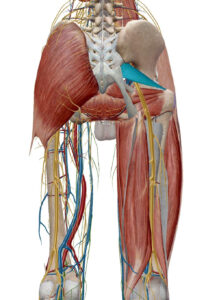
The cluneal nerves are sensory nerves that branch out from the lower spine and extend to the hip region, providing sensation to the skin and superficial tissues. They are divided into three groups: superior, middle, and inferior cluneal nerves.
The superior cluneal nerves originate from the posterior branches of the lumbar vertebrae and cross over the top of the iliac crest (hip bone). These nerves are particularly vulnerable to entrapment.
Cluneal nerve entrapment occurs when these nerves are compressed by surrounding muscles, ligaments, or other tissues, leading to persistent hip or lower back pain.
Causes of Cluneal Nerve Entrapment
Several factors may contribute to the compression of the cluneal nerves:
- Prolonged Sitting: Sitting for extended periods, especially on hard surfaces or in poor ergonomic positions, may put pressure on the nerves.
- Spinal Problems: Conditions such as herniated discs or degenerative disc disease in the lumbar spine may cause nerve compression at their exit points.
- Trauma: Falls onto the hip, prior surgical procedures, or repetitive strain can result in nerve entrapment.
- Postural Problems: Poor posture and abnormal biomechanics may lead to cluneal nerves being compressed by surrounding tissues.
Symptoms of Cluneal Nerve Entrapment
Cluneal nerve entrapment presents with distinct and characteristic symptoms. Pain typically worsens with movement, improves with rest, and may be triggered by spinal motion or prolonged standing.
- Pain between the lower back and hip: Often felt in the lower lumbar region and upper buttock area.
- Burning sensation: A burning pain may be present over the upper buttock.
- Activity-related pain: Pain increases with standing, walking, or sitting for long periods.
- Unilateral pain: Usually more prominent on one side of the body.
- Groin or testicular pain: Discomfort may radiate to the groin or testicular region.
- Tightness and hamstring pain: Patients often describe tension and pain in the back of the thigh.
- Numbness and tingling in the leg: Paresthesia may occur along the nerve pathway.
- Skin hypersensitivity in the lower back and buttock: Areas along the nerve distribution can become extremely sensitive to touch.
These symptoms may mimic conditions such as sciatica or lumbar disc herniation, which is why an accurate diagnosis is essential.
How Is Cluneal Nerve Entrapment Diagnosed?
Diagnosis is often based on clinical evaluation and patient history. An orthopedic specialist or neurologist may use the following methods:
- Physical Examination: Tenderness is checked at specific points where cluneal nerves cross, and Tinel’s sign may be assessed.
- Local Anesthetic Block: Injection of a local anesthetic into the cluneal nerve region can confirm the diagnosis if pain is significantly reduced.
- Imaging Techniques: MRI is used to rule out other conditions with similar symptoms, such as lumbar disc herniation or facet joint syndrome.
Treatment Options for Cluneal Nerve Entrapment
The main goals of treatment are to relieve pain and improve quality of life. Options include:
Non-Surgical Treatments
- Rest and activity modification
- Physical therapy and posture correction exercises
- Anti-inflammatory medications
Injection Therapies
- Local anesthetic and corticosteroid injections
- Ultrasound-guided precise nerve block injections
Surgical Treatment
In rare cases, surgical decompression may be required to relieve pressure on the nerve.
Conclusion
Cluneal nerve entrapment is an underrecognized condition that can significantly impair quality of life. With proper diagnosis and appropriate treatment, most patients can return to a pain-free and comfortable lifestyle.
If you have persistent hip or buttock pain, it is important to seek evaluation from a specialist.
For more information on cluneal nerve entrapment and other hip-related conditions, you can contact Op. Dr. Utku Erdem Özer through his official website or request an appointment via the contact page.