Cartilage transplantation, or autologous chondrocyte implantation, is an innovative method of cartilage surgery that is becoming increasingly popular, especially among athletes and active individuals. This surgery revolutionizes the repair of damaged cartilage tissue, allowing patients to recover faster and more effectively.
Add us as a preferred source on GoogleSee our new articles higher in your searchesAddIn this comprehensive guide, I have discussed in detail the advantages, process and expected outcomes of autologous chondrocyte implantation surgery.
Read this article to learn everything you need to know about this innovative treatment method to improve your joint health and get back to your active lifestyle quickly.
Cartilage transplantation, i.e. autologous chondrocyte implantation surgery, is a type of cartilage surgery that aims to repair the joint cartilage by transplanting the cartilage tissue obtained by multiplying the patient’s own cartilage cells to the damaged area.
Autologous chondrocyte implantation surgery has 2 stages.
In the first surgery, a piece of cartilage is removed. Cartilage cells obtained from this piece are multiplied in a special center in about 6 weeks.
In second surgery, the patient’s own cartilage cells (chondrocytes) are implanted into the damaged area of the knee joint. These cells then form new, original articular cartilage (hyaline cartilage) at the site of implantation.
What is Autologous chondrocyte implantation Surgery?
It is a 2-stage cartilage surgery performed in cases where there is full-fold cartilage damage only in a local area in the knee. This surgery is not suitable for patients with knee arthritis with diffuse cartilage damage in the knee joint.
The estimated extent of cartilage damage is measured on MRI images of the patient with cartilage damage. If the area of cartilage damage is larger than 2 square centimeters, autologous cartilage transplantation is planned. In the first surgery, a cartilage biopsy is taken from the patient’s knee, sent to the laboratory and cartilage cells are grown. Autologous cartilage transplantation is performed with the second surgery.
If you want to get more detailed information about cartilage damage in the knee, you can reach from the link.
What is Cartilage Damage?
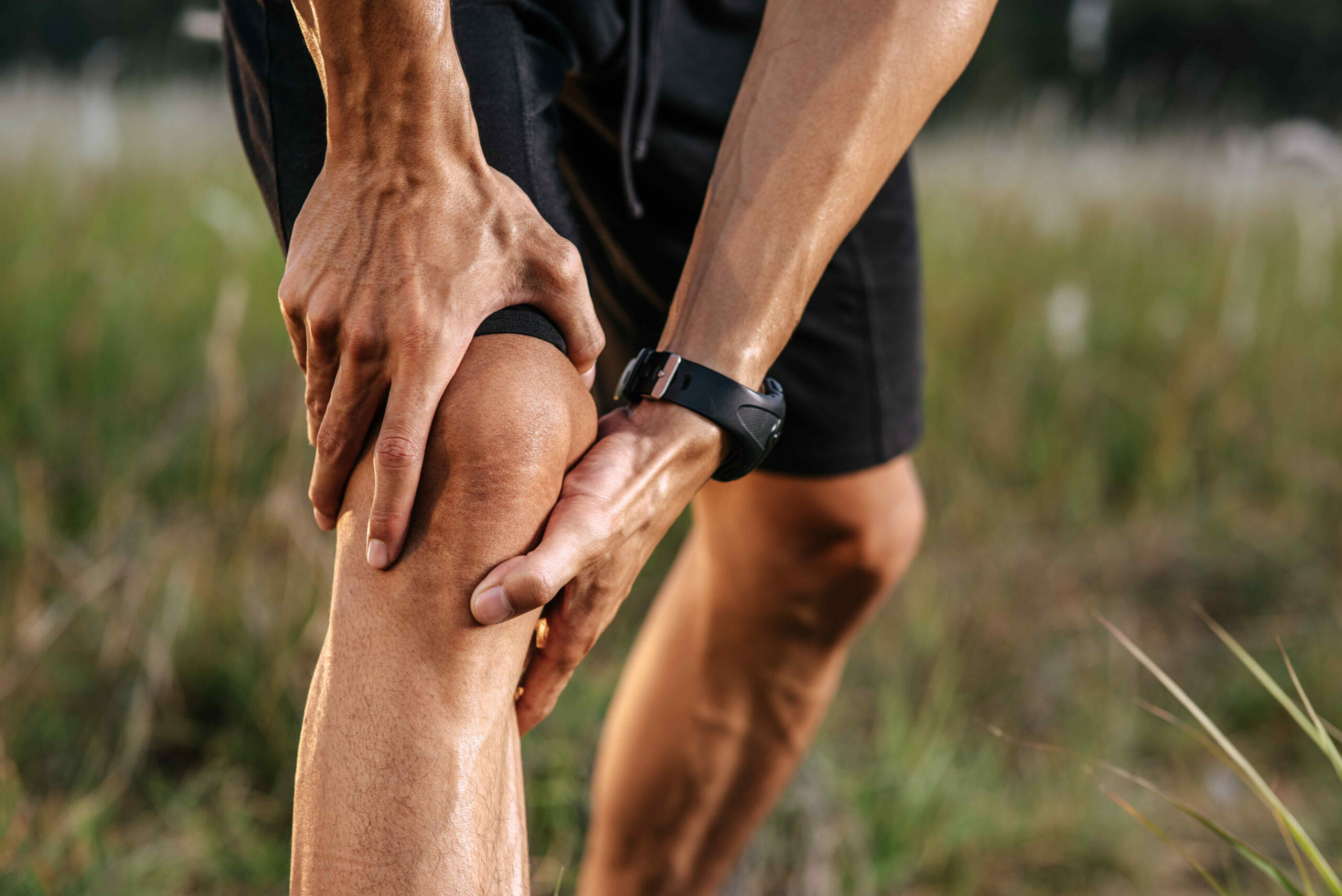
Cartilage damage in the knee is seen after two types of trauma. The first is as a result of a fall and hitting the knee on the ground or a rotational movement of the knee, as in anterior cruciate ligament injury. The second traumatic cause is chronic repetitive microtrauma.
Another type of cartilage damage in the knee is congenital osteochondritis dissecans.
In osteochondritis dissecans (OCD), there is a blood supply problem in the bone under the articular cartilage. The bone under the cartilage (subchondral bone), which has a congenital blood supply disorder, separates from a local area of the knee together with the cartilage above it.
What Does Chondrocyte Mean?
Chondrocytes are cells that are the building blocks of cartilage tissue. Cartilage covers the joint surfaces in the body, reducing friction between bones and providing flexibility. Chondrocytes play an important role in the regeneration and repair of cartilage tissue.
In Which Situations Is Autologous Chondrocyte Implantation Surgery Performed?
-
Lesions larger than 4 square centimeters.
-
It is performed in the femoral condyle and patellar cartilage areas of the knee. It is not performed on cartilage defects in the cartilage areas on the articular surface of the tibial plateau.
How Is Autologous Autologous Chondrocyte Implantation surgery Performed?
Autologous cartilage transplantation consists of 2 operations performed 6 weeks apart. The first operation is performed arthroscopically, i.e. closed. In this operation, the location and length of the cartilage damage is first measured. It is understood that cartilage damage cannot be treated with any other surgery other than autologous cartilage transplantation. A cartilage biopsy is taken from the unloaded area of the knee joint.
The cartilage biopsy is sent to a specialized cell center-laboratory. In this center, cartilage cells taken from the patient are multiplied in about 6 weeks. They are planted in a structure called collagen membrane and made ready for transplantation to the patient.
In the second operation, a collagen membrane covered with replicated cartilage is sutured to the damaged cartilage area in the patient’s knee with open surgery.
You can click on the link and watch in detail to get information about the autologous cartilage transplant surgery performed by Op. Dr. Utku Erdem Özer.
Knee Cartilage Transplant: Autologous Chondrocyte Implantation Details
A knee cartilage transplant is a surgical treatment option usually used for people with cartilage damage or tears. In this procedure, the patient’s own cartilage (autologous chondrocytes) is taken and transplanted into the damaged area. The procedure usually takes place in a series of stages:
-
Chondrocyte Collection: First, a small tissue sample is taken from a healthy joint area (usually other parts of the knee). This sample will be used to produce chondrocytes in the laboratory.
-
Chondrocyte Production: In the laboratory, chondrocytes are isolated from a tissue sample and multiplied. This process takes place in a growth medium, allowing the cells to proliferate and develop under control.
-
Implantation Preparation: Once the chondrocytes have been produced in sufficient quantities, they are prepared for implantation before being transplanted into the damaged area. This usually requires preparation of the damaged cartilage surface and mixing or coating the chondrocytes with a suitable carrier material.
-
Implantation: In the final stage, the prepared chondrocytes are transplanted and implanted into the damaged area. This procedure is usually performed by arthroscopic surgery (closed technique) or open surgery.
What is the Recovery Process After Autologous Cartilage Transplant Surgery?
As soon as the autologous cartilage transplant surgery is finished, the patient is fitted with an angle-adjustable knee brace.
If the transplanted cartilage area is in the load-bearing area of the knee, it is not allowed to be stepped on using double crutches for about 6 weeks.
Since the physiotherapy process after autologous cartilage implantation surgery is a special process, it should be closely monitored by the doctor performing the surgery and the physiotherapist specialized in this field.
Knee Cartilage Surgery Reviews
Those who have had knee cartilage surgery guide other patients by sharing their reviews and experiences. It shapes their expectations. In addition, patient reviews provide feedback to healthcare providers and help them improve their services.
Here is my patient review:
-
“I had knee cartilage surgery with Op. Dr. Utku Erdem Özer and I was very pleased with the result. He impressed me with his professional approach and patient-oriented service. He informed me in detail before the surgery and made me feel that he was with me every step of the way. He also provided continuous follow-up and support after the surgery. Now, I am free from the pain caused by the cartilage problem in my knee and I can continue my life as actively as before. I am grateful for his expertise and care.”
Autologous Chondrocyte Implantation Surgery Fee 2024
The cost of cartilage transplant surgery varies according to the patient’s condition. The exact fee and insurance details vary depending on the patient’s individual situation. Do not forget to contact us through our communication channels to get detailed information about treatment options.
Hospitals Performing Knee Cartilage Transplant
There are many hospitals in Turkey that perform knee cartilage transplants. Do not forget to visit us to choose the best and most suitable treatment method for you.
-
Hospitals Performing Knee Cartilage Transplant Location: Dikilitaş Mah. Ayazmadere Cad. Yeşilçimen St. No:9/2 (Fulya Open Emar Building 2nd Floor) 34394 Fulya, Beşiktaş/İSTANBUL
Conclusion
In summary, autologous chondrocyte implantation, or cartilage transplantation, is a promising and innovative treatment option for patients suffering from cartilage damage. This two-stage surgery repairs damaged cartilage tissue, allowing patients to improve joint function and lead a more active life.
The success of the treatment depends on appropriate patient selection, a detailed preliminary evaluation and a careful rehabilitation process after treatment. If you are aiming to regain your joint health and return to your active lifestyle, you can discuss and decide whether autologous chondrocyte implantation surgery is a suitable option for you with Op. Dr. Utku Erdem Özer, who is experienced in this field.
While cartilage transplantation is a specialized procedure that can only be performed under certain conditions and for suitable candidates, it offers effective and quality-of-life-enhancing results for the right patients.
Thank you for reading our article. If you have any questions and concerns about the subject, please do not neglect to contact us via whatsapp communication. If you wish, you can return to the home page from utkuerdemozer.com link.